Fernando Bryce
Bio/CV
Available works
Fernando Bryce
Fernando Bryce
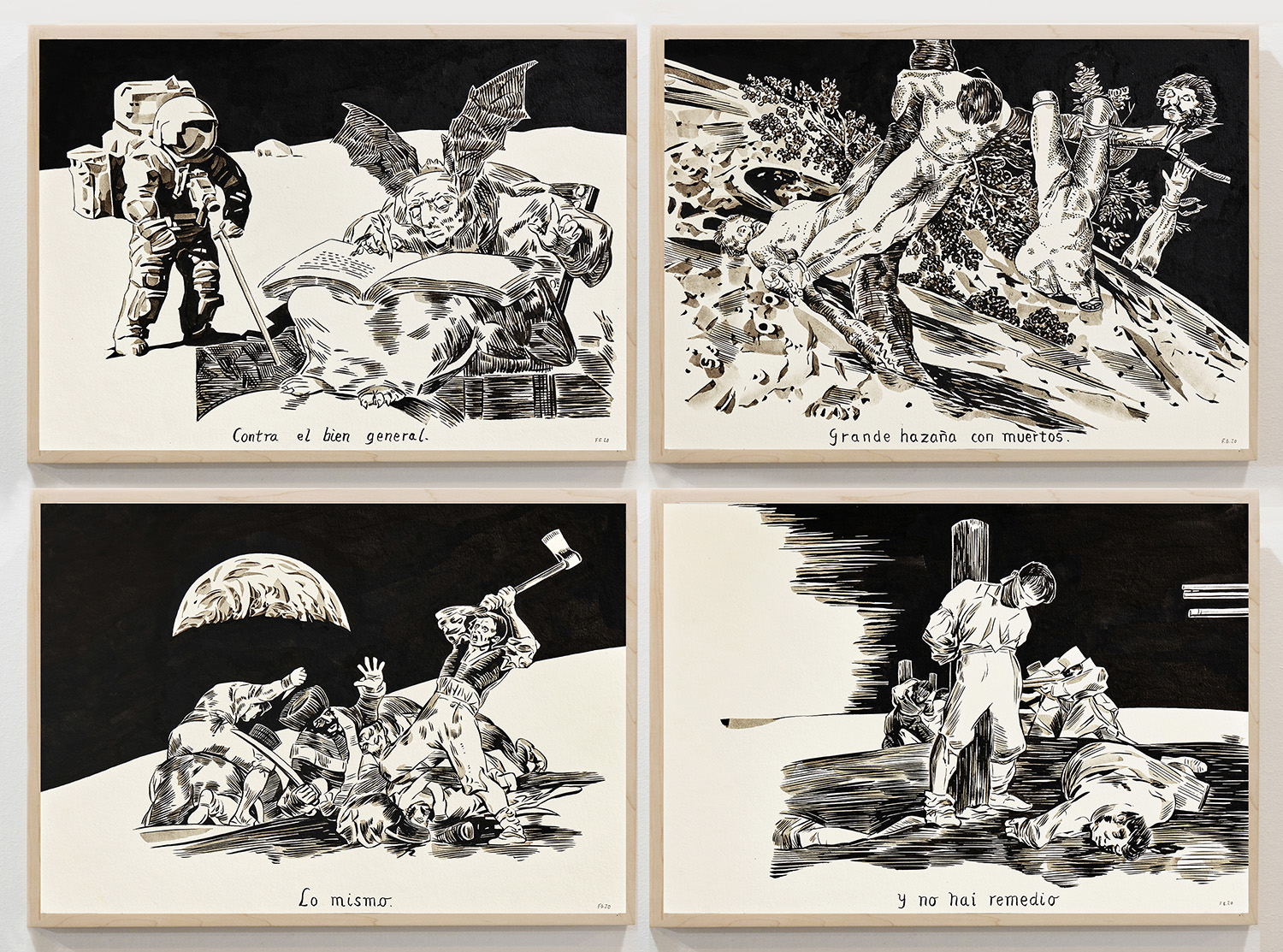
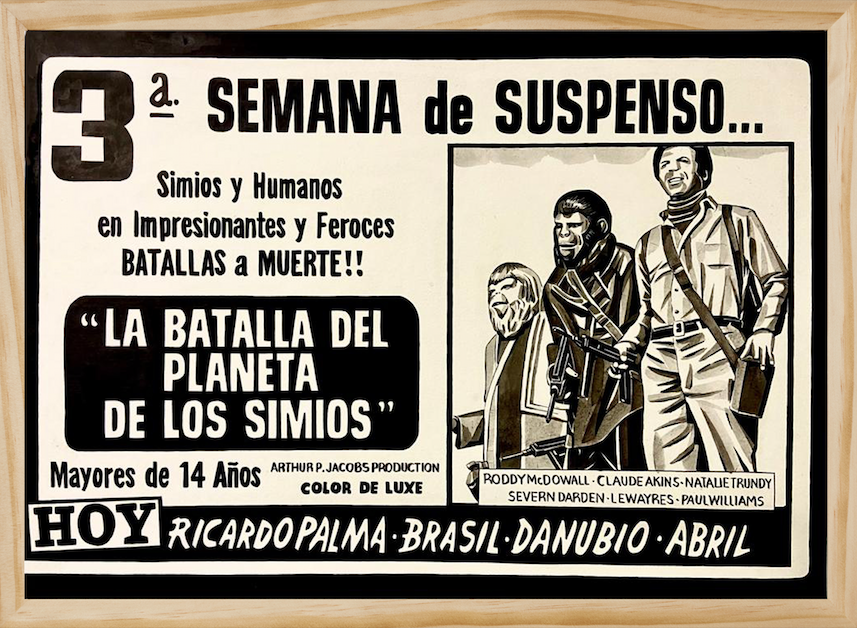
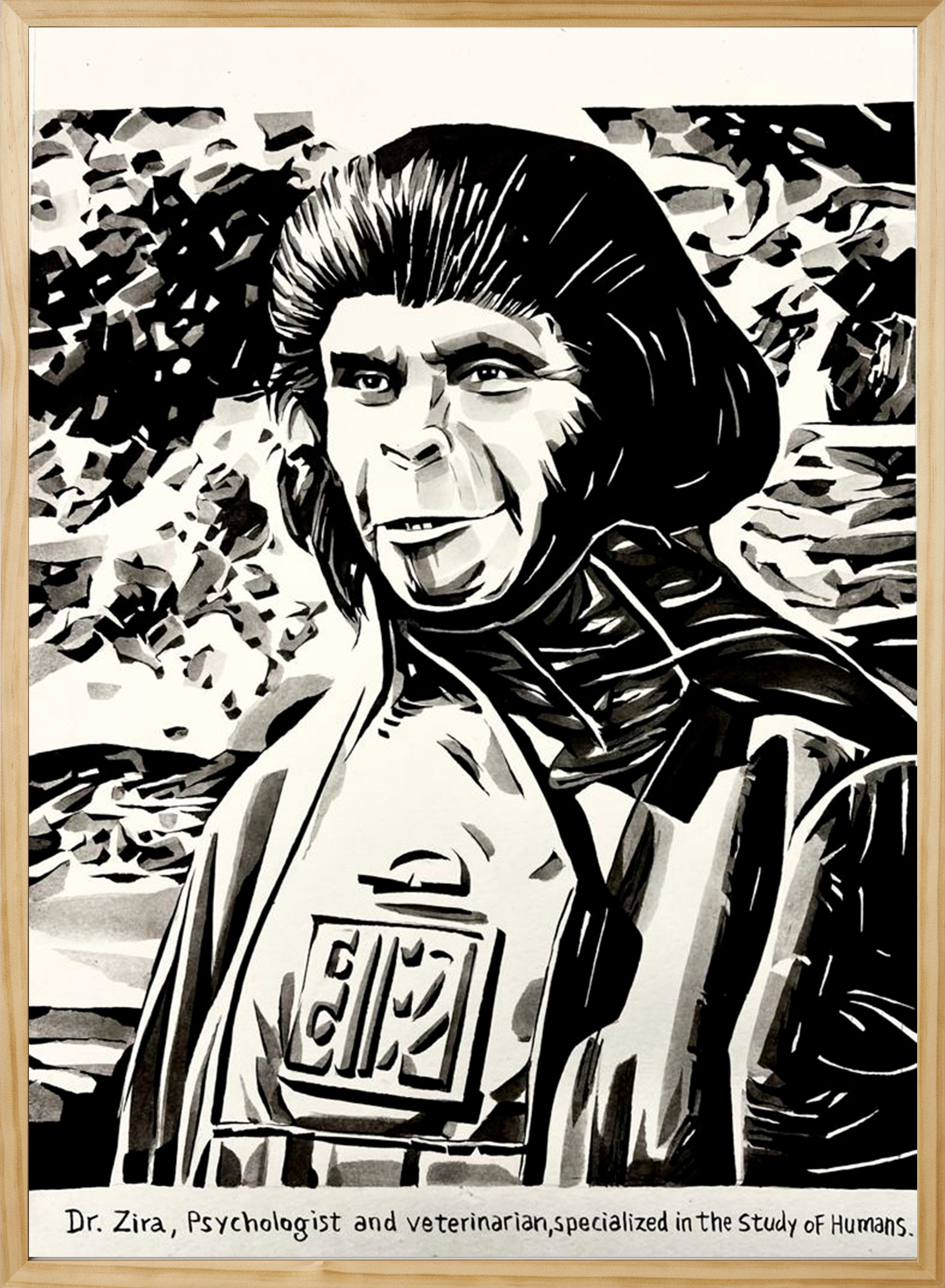
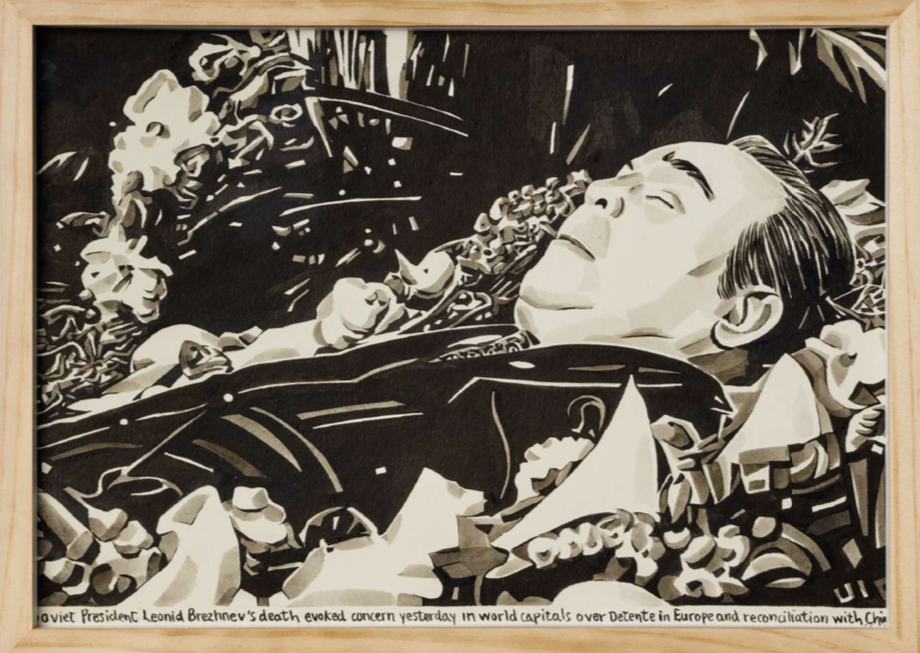
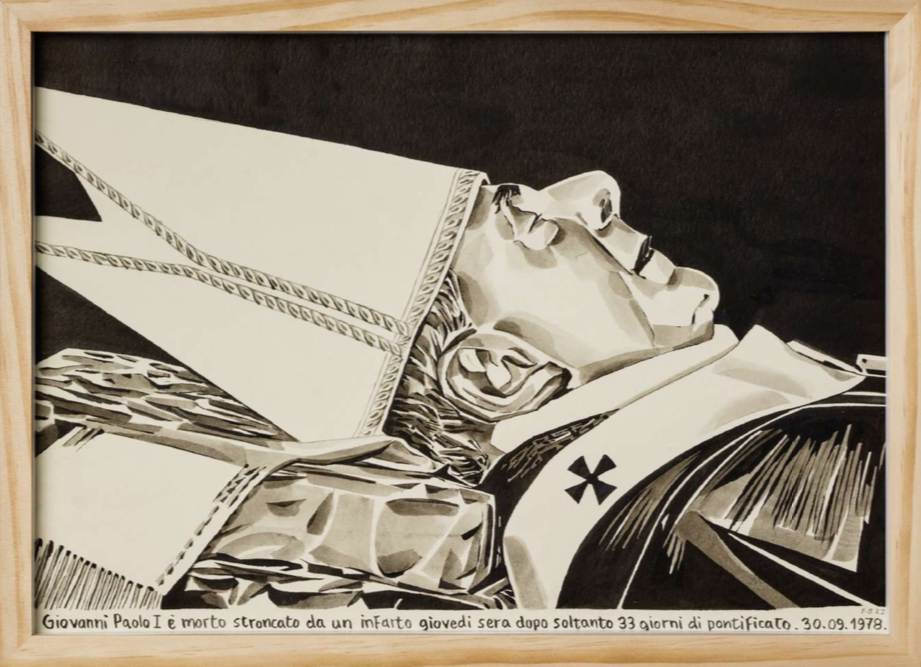
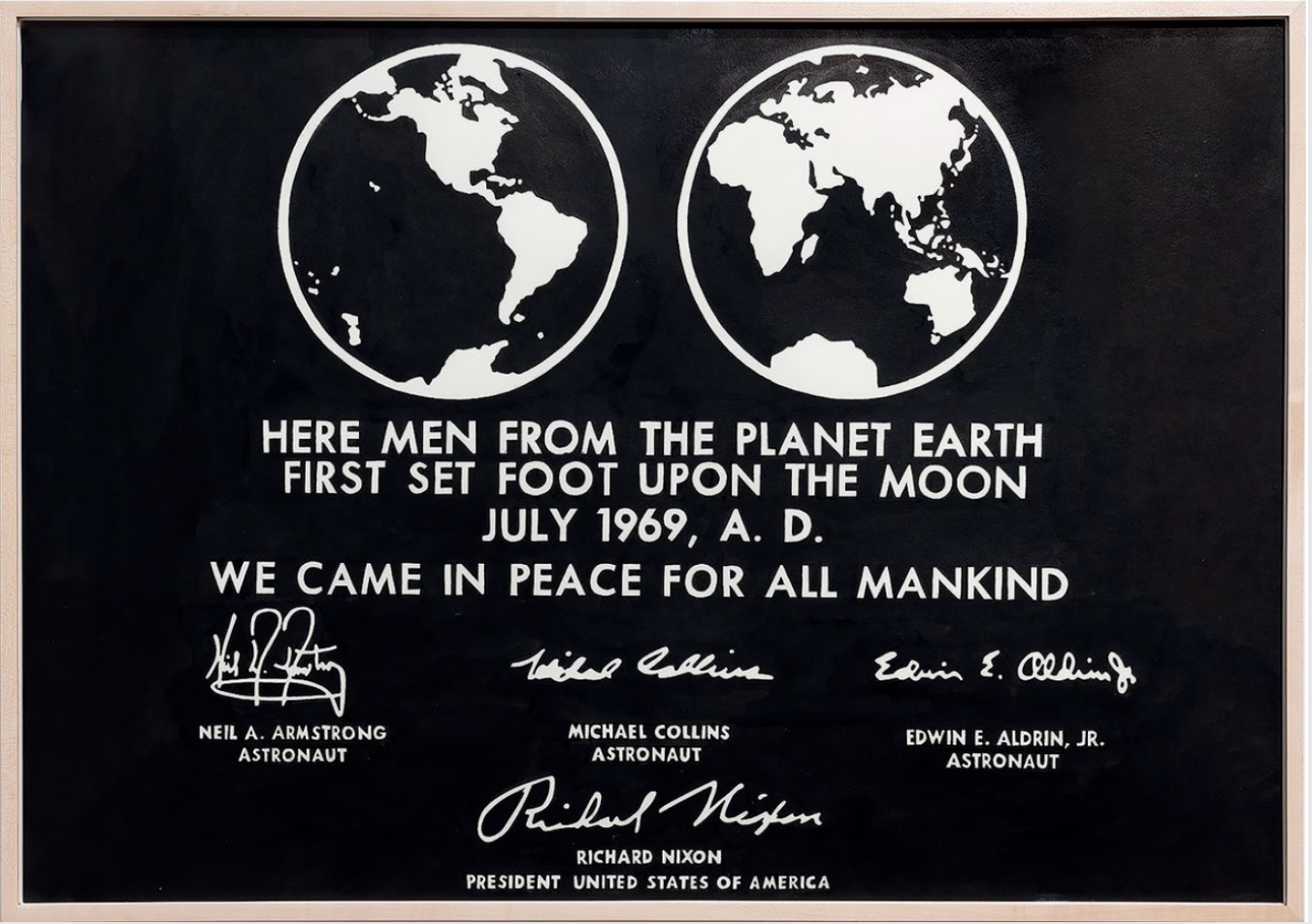
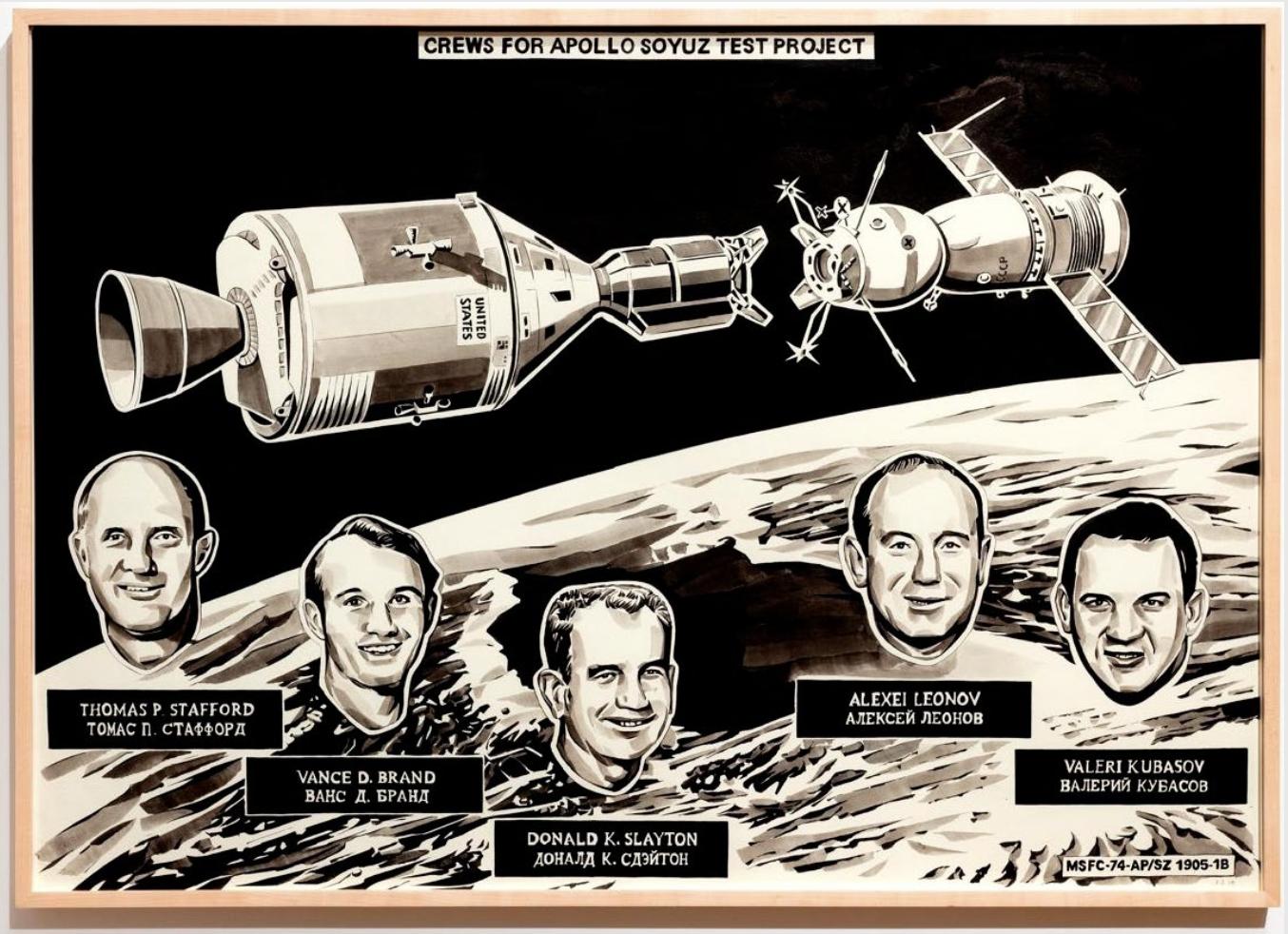
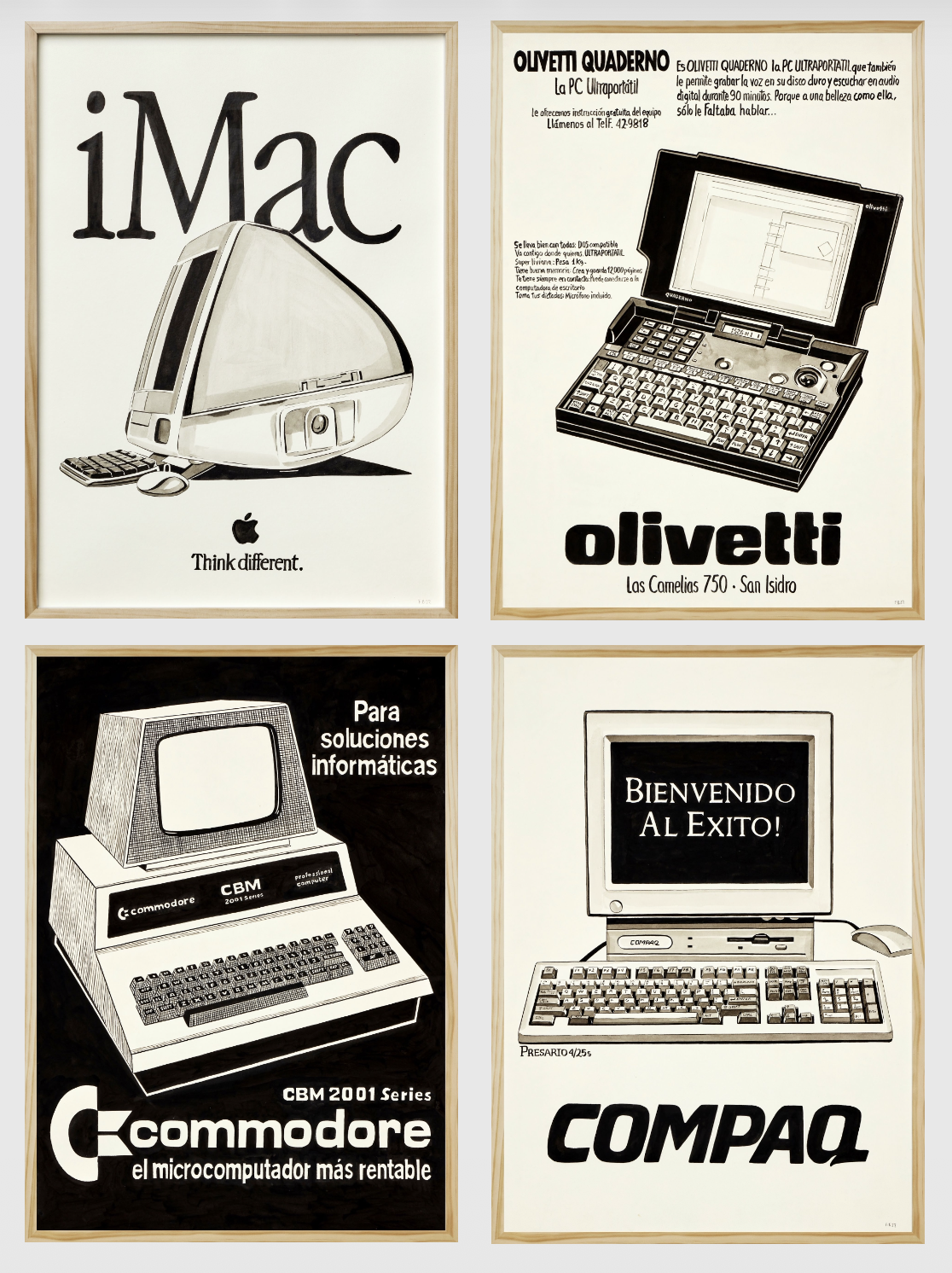
Fernando Bryce (Lima, Peru, 1965) is one of the most renowned Peruvian artists on the international art scene. His extensive body of work is a focused reinterpretation of pertinent, historical, socio-political events and personalities of the 20th century. Bryce dives into an exhaustive investigation of bibliographical and documental archives in search of texts, images, magazines, political pamphlets, posters, advertisements and archival newspapers, in order to bring printed documents to the surface that have been deter mined historical and in which significant events of recent history are materialized. Departing from this graphic material the artist realizes drawing series in ink on paper, in which he meticulously reproduces the images and texts caught his attention, with the objective to gain perspective on how what is determined history has been taken for granted and to offer the spectator an alternative point of view to the conventional narratives by decontextualizing past events and bringing them into the present.
Bryce’s work analyses the concept of memory from a critical perspective by appropriating iconography of once official documents he finds in archives and libraries all around the world. He intends to decipher the motives that at the time of publishing caused the materialization in print of some policies vs others, as well as the role they played within the power structures. Bryce’s work shows a deep interest in archives and their significance, the political finality of art throughout history and in the power relationships of the past century and their mediatisation. His discourse is rooted in the great political debates and ideologies of the 20th century, such as communism vs. capitalism, the wars (Cold War, Spanish Civil War, Second World War), conquests, revolutions and revolutionary movements (such as in Cuba) as well as certain personalities who played key roles in the unfolding of history. The critical gaze Bryce submits his representations to, based on prejudices and stereotypes some countries constructed about their opponents, evolves into a drawing exercise in which historic memory is studied like a confluence of visual and editorial culture, archive and history.
Bryce uses irony to oppose the rigidity of the historic documents. He rescues and renews prints, engravings, posters and advertising materials and through what he named “mimetic analysis” -a method consistent of a manual copy of the mechanical document-turns the content of the archives into works of art. The ink drawings allow him to access the universe of writing without leaving the pictorial behind and like this transform the documental into something new, an image, always susceptible to questioning, especially when it is done in the present. In the time of mechanical reproduction his works the concept of the archive acquires all of its significance.
Bryce’s work analyses the concept of memory from a critical perspective by appropriating iconography of once official documents he finds in archives and libraries all around the world. He intends to decipher the motives that at the time of publishing caused the materialization in print of some policies vs others, as well as the role they played within the power structures. Bryce’s work shows a deep interest in archives and their significance, the political finality of art throughout history and in the power relationships of the past century and their mediatisation. His discourse is rooted in the great political debates and ideologies of the 20th century, such as communism vs. capitalism, the wars (Cold War, Spanish Civil War, Second World War), conquests, revolutions and revolutionary movements (such as in Cuba) as well as certain personalities who played key roles in the unfolding of history. The critical gaze Bryce submits his representations to, based on prejudices and stereotypes some countries constructed about their opponents, evolves into a drawing exercise in which historic memory is studied like a confluence of visual and editorial culture, archive and history.
Bryce uses irony to oppose the rigidity of the historic documents. He rescues and renews prints, engravings, posters and advertising materials and through what he named “mimetic analysis” -a method consistent of a manual copy of the mechanical document-turns the content of the archives into works of art. The ink drawings allow him to access the universe of writing without leaving the pictorial behind and like this transform the documental into something new, an image, always susceptible to questioning, especially when it is done in the present. In the time of mechanical reproduction his works the concept of the archive acquires all of its significance.
Bio/CV
Fernando Bryce
His solo exhibitions include Alexander and Bonin, New York; Harvard Art Museums, Cambridge; Kunsthalle Bremen; Museum für Naturkunde, Berlin; Museo Universitario Arte Contemporáneo (MUAC), Mexico City; Museo de Arte Latinoamericano de Buenos Aires (MALBA); Fundació Antoni Tàpies, Barcelona; and Konstmuseet Malmö.
Fernando Bryce has participated in numerous group exhibitions at institutions including Americas Society, New York; Museo de Arte Contemporáneo (MAC), Lima; Museo de Arte Latinoamericano de Buenos Aires (MALBA); Haus der Kulturen der Welt, Berlin; Pérez Art Museum Miami; Tate Liverpool; Museo Tamayo, Mexico City; Museo de Arte Contemporáneo de Monterrey (MARCO); Martin-Gropius-Bau, Berlin; The Drawing Center, New York; The Museum of Modern Art (MoMA), New York; Museo Jumex, Mexico City; The Museum of Contemporary Art (MOCA), Los Angeles; Walker Art Center, Minneapolis; Van Abbemuseum, Eindhoven; El Museo del Barrio, New York; and Museo de Arte de Lima (MALI). His work has also been included in the Whitney Biennial, New York; the Carnegie International, Pittsburgh; the Venice, São Paulo, Havana, Istanbul, Berlin, Lyon, Mercosur, and Taipei biennials; and Manifesta 4, Frankfurt.
His work is held in the collections of The Museum of Modern Art (MoMA), New York; Tate Modern, London; Museo Nacional Centro de Arte Reina Sofía, Madrid; Harvard Art Museums, Cambridge; Kunsthalle Bremen; Carnegie Museum of Art, Pittsburgh; Pérez Art Museum Miami; Kunstmuseum St. Gallen; Museo de Arte de Lima (MALI); Museo Universitario Arte Contemporáneo (MUAC), Mexico City; Museo de Arte Contemporáneo de Castilla y León (MUSAC); the Art Collection of the University of Chicago Booth School of Business; and the Burger Collection, Zürich/Hong Kong, among others.
Fernando Bryce has participated in numerous group exhibitions at institutions including Americas Society, New York; Museo de Arte Contemporáneo (MAC), Lima; Museo de Arte Latinoamericano de Buenos Aires (MALBA); Haus der Kulturen der Welt, Berlin; Pérez Art Museum Miami; Tate Liverpool; Museo Tamayo, Mexico City; Museo de Arte Contemporáneo de Monterrey (MARCO); Martin-Gropius-Bau, Berlin; The Drawing Center, New York; The Museum of Modern Art (MoMA), New York; Museo Jumex, Mexico City; The Museum of Contemporary Art (MOCA), Los Angeles; Walker Art Center, Minneapolis; Van Abbemuseum, Eindhoven; El Museo del Barrio, New York; and Museo de Arte de Lima (MALI). His work has also been included in the Whitney Biennial, New York; the Carnegie International, Pittsburgh; the Venice, São Paulo, Havana, Istanbul, Berlin, Lyon, Mercosur, and Taipei biennials; and Manifesta 4, Frankfurt.
His work is held in the collections of The Museum of Modern Art (MoMA), New York; Tate Modern, London; Museo Nacional Centro de Arte Reina Sofía, Madrid; Harvard Art Museums, Cambridge; Kunsthalle Bremen; Carnegie Museum of Art, Pittsburgh; Pérez Art Museum Miami; Kunstmuseum St. Gallen; Museo de Arte de Lima (MALI); Museo Universitario Arte Contemporáneo (MUAC), Mexico City; Museo de Arte Contemporáneo de Castilla y León (MUSAC); the Art Collection of the University of Chicago Booth School of Business; and the Burger Collection, Zürich/Hong Kong, among others.
Available works
Fernando Bryce
Fernando Bryce (Lima, Peru, 1965) is one of the most renowned Peruvian artists on the international art scene. His extensive body of work is a focused reinterpretation of pertinent, historical, socio-political events and personalities of the 20th century. Bryce dives into an exhaustive investigation of bibliographical and documental archives in search of texts, images, magazines, political pamphlets, posters, advertisements and archival newspapers, in order to bring printed documents to the surface that have been deter mined historical and in which significant events of recent history are materialized. Departing from this graphic material the artist realizes drawing series in ink on paper, in which he meticulously reproduces the images and texts caught his attention, with the objective to gain perspective on how what is determined history has been taken for granted and to offer the spectator an alternative point of view to the conventional narratives by decontextualizing past events and bringing them into the present.
Bryce’s work analyses the concept of memory from a critical perspective by appropriating iconography of once official documents he finds in archives and libraries all around the world. He intends to decipher the motives that at the time of publishing caused the materialization in print of some policies vs others, as well as the role they played within the power structures. Bryce’s work shows a deep interest in archives and their significance, the political finality of art throughout history and in the power relationships of the past century and their mediatisation. His discourse is rooted in the great political debates and ideologies of the 20th century, such as communism vs. capitalism, the wars (Cold War, Spanish Civil War, Second World War), conquests, revolutions and revolutionary movements (such as in Cuba) as well as certain personalities who played key roles in the unfolding of history. The critical gaze Bryce submits his representations to, based on prejudices and stereotypes some countries constructed about their opponents, evolves into a drawing exercise in which historic memory is studied like a confluence of visual and editorial culture, archive and history.
Bryce uses irony to oppose the rigidity of the historic documents. He rescues and renews prints, engravings, posters and advertising materials and through what he named “mimetic analysis” -a method consistent of a manual copy of the mechanical document-turns the content of the archives into works of art. The ink drawings allow him to access the universe of writing without leaving the pictorial behind and like this transform the documental into something new, an image, always susceptible to questioning, especially when it is done in the present. In the time of mechanical reproduction his works the concept of the archive acquires all of its significance.
Bryce’s work analyses the concept of memory from a critical perspective by appropriating iconography of once official documents he finds in archives and libraries all around the world. He intends to decipher the motives that at the time of publishing caused the materialization in print of some policies vs others, as well as the role they played within the power structures. Bryce’s work shows a deep interest in archives and their significance, the political finality of art throughout history and in the power relationships of the past century and their mediatisation. His discourse is rooted in the great political debates and ideologies of the 20th century, such as communism vs. capitalism, the wars (Cold War, Spanish Civil War, Second World War), conquests, revolutions and revolutionary movements (such as in Cuba) as well as certain personalities who played key roles in the unfolding of history. The critical gaze Bryce submits his representations to, based on prejudices and stereotypes some countries constructed about their opponents, evolves into a drawing exercise in which historic memory is studied like a confluence of visual and editorial culture, archive and history.
Bryce uses irony to oppose the rigidity of the historic documents. He rescues and renews prints, engravings, posters and advertising materials and through what he named “mimetic analysis” -a method consistent of a manual copy of the mechanical document-turns the content of the archives into works of art. The ink drawings allow him to access the universe of writing without leaving the pictorial behind and like this transform the documental into something new, an image, always susceptible to questioning, especially when it is done in the present. In the time of mechanical reproduction his works the concept of the archive acquires all of its significance.
Fernando Bryce
His solo exhibitions include Alexander and Bonin, New York; Harvard Art Museums, Cambridge; Kunsthalle Bremen; Museum für Naturkunde, Berlin; Museo Universitario Arte Contemporáneo (MUAC), Mexico City; Museo de Arte Latinoamericano de Buenos Aires (MALBA); Fundació Antoni Tàpies, Barcelona; and Konstmuseet Malmö.
Fernando Bryce has participated in numerous group exhibitions at institutions including Americas Society, New York; Museo de Arte Contemporáneo (MAC), Lima; Museo de Arte Latinoamericano de Buenos Aires (MALBA); Haus der Kulturen der Welt, Berlin; Pérez Art Museum Miami; Tate Liverpool; Museo Tamayo, Mexico City; Museo de Arte Contemporáneo de Monterrey (MARCO); Martin-Gropius-Bau, Berlin; The Drawing Center, New York; The Museum of Modern Art (MoMA), New York; Museo Jumex, Mexico City; The Museum of Contemporary Art (MOCA), Los Angeles; Walker Art Center, Minneapolis; Van Abbemuseum, Eindhoven; El Museo del Barrio, New York; and Museo de Arte de Lima (MALI). His work has also been included in the Whitney Biennial, New York; the Carnegie International, Pittsburgh; the Venice, São Paulo, Havana, Istanbul, Berlin, Lyon, Mercosur, and Taipei biennials; and Manifesta 4, Frankfurt.
His work is held in the collections of The Museum of Modern Art (MoMA), New York; Tate Modern, London; Museo Nacional Centro de Arte Reina Sofía, Madrid; Harvard Art Museums, Cambridge; Kunsthalle Bremen; Carnegie Museum of Art, Pittsburgh; Pérez Art Museum Miami; Kunstmuseum St. Gallen; Museo de Arte de Lima (MALI); Museo Universitario Arte Contemporáneo (MUAC), Mexico City; Museo de Arte Contemporáneo de Castilla y León (MUSAC); the Art Collection of the University of Chicago Booth School of Business; and the Burger Collection, Zürich/Hong Kong, among others.
Fernando Bryce has participated in numerous group exhibitions at institutions including Americas Society, New York; Museo de Arte Contemporáneo (MAC), Lima; Museo de Arte Latinoamericano de Buenos Aires (MALBA); Haus der Kulturen der Welt, Berlin; Pérez Art Museum Miami; Tate Liverpool; Museo Tamayo, Mexico City; Museo de Arte Contemporáneo de Monterrey (MARCO); Martin-Gropius-Bau, Berlin; The Drawing Center, New York; The Museum of Modern Art (MoMA), New York; Museo Jumex, Mexico City; The Museum of Contemporary Art (MOCA), Los Angeles; Walker Art Center, Minneapolis; Van Abbemuseum, Eindhoven; El Museo del Barrio, New York; and Museo de Arte de Lima (MALI). His work has also been included in the Whitney Biennial, New York; the Carnegie International, Pittsburgh; the Venice, São Paulo, Havana, Istanbul, Berlin, Lyon, Mercosur, and Taipei biennials; and Manifesta 4, Frankfurt.
His work is held in the collections of The Museum of Modern Art (MoMA), New York; Tate Modern, London; Museo Nacional Centro de Arte Reina Sofía, Madrid; Harvard Art Museums, Cambridge; Kunsthalle Bremen; Carnegie Museum of Art, Pittsburgh; Pérez Art Museum Miami; Kunstmuseum St. Gallen; Museo de Arte de Lima (MALI); Museo Universitario Arte Contemporáneo (MUAC), Mexico City; Museo de Arte Contemporáneo de Castilla y León (MUSAC); the Art Collection of the University of Chicago Booth School of Business; and the Burger Collection, Zürich/Hong Kong, among others.