Daniel de la Barra
Bio/CV
Available works
Daniel de la Barra
Daniel de la Barra
Daniel de la Barra (b. Lima, Peru) lives and works between Lima and Barcelona.
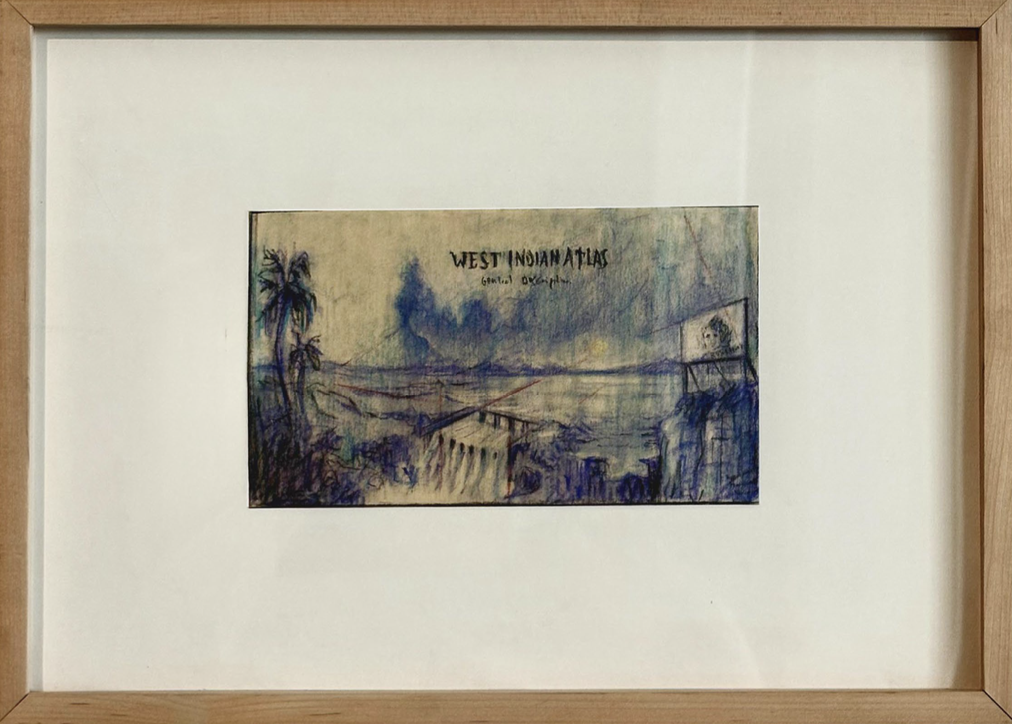
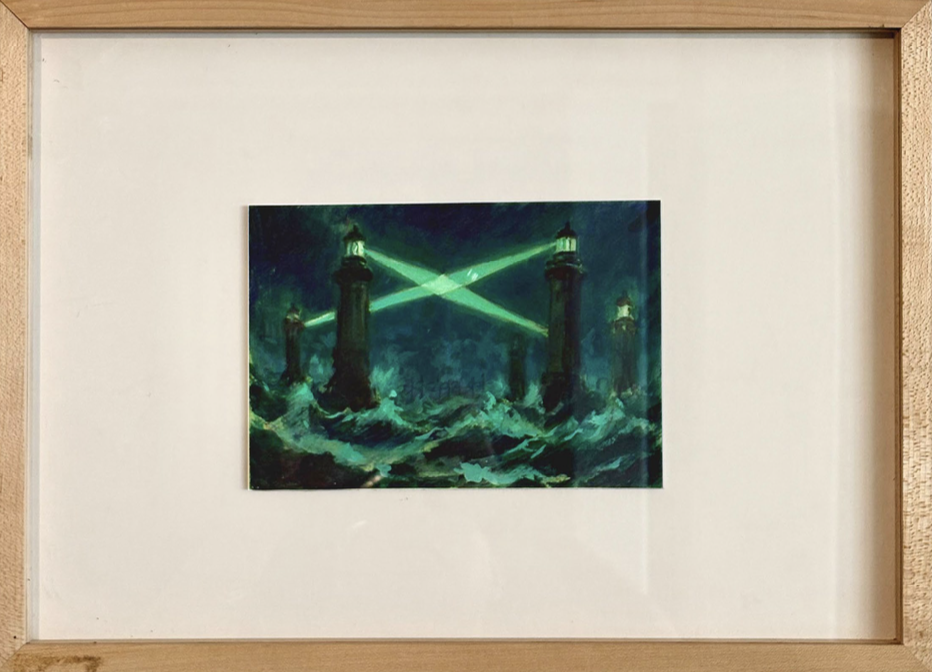
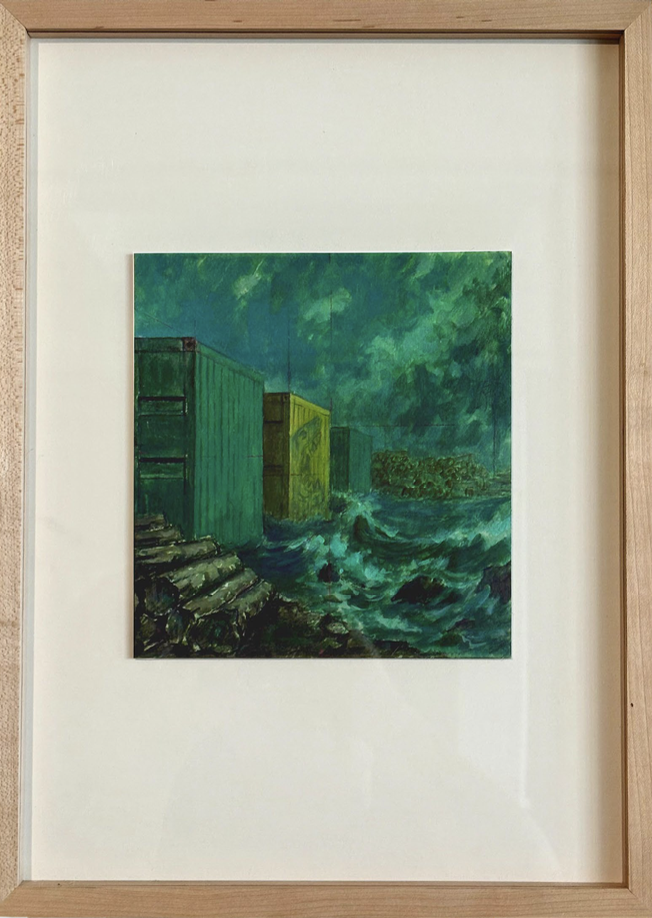
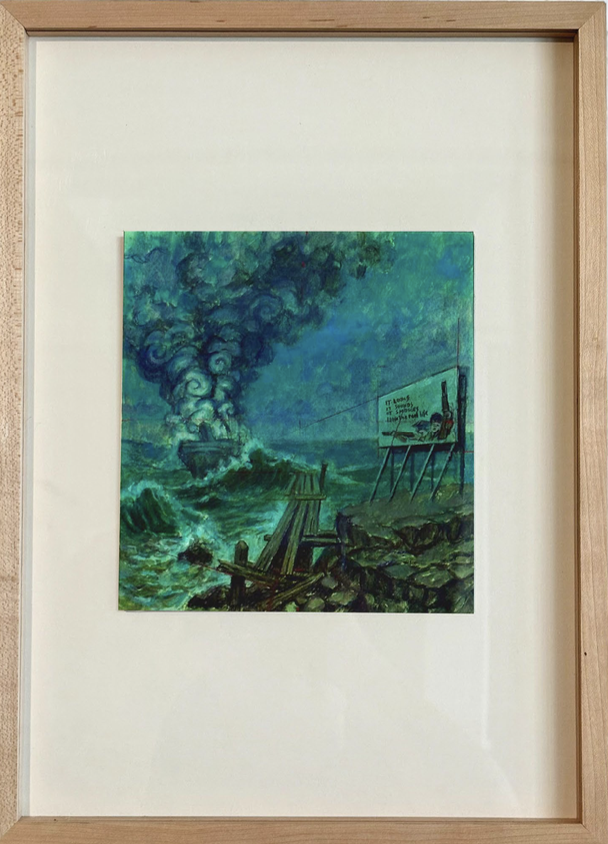
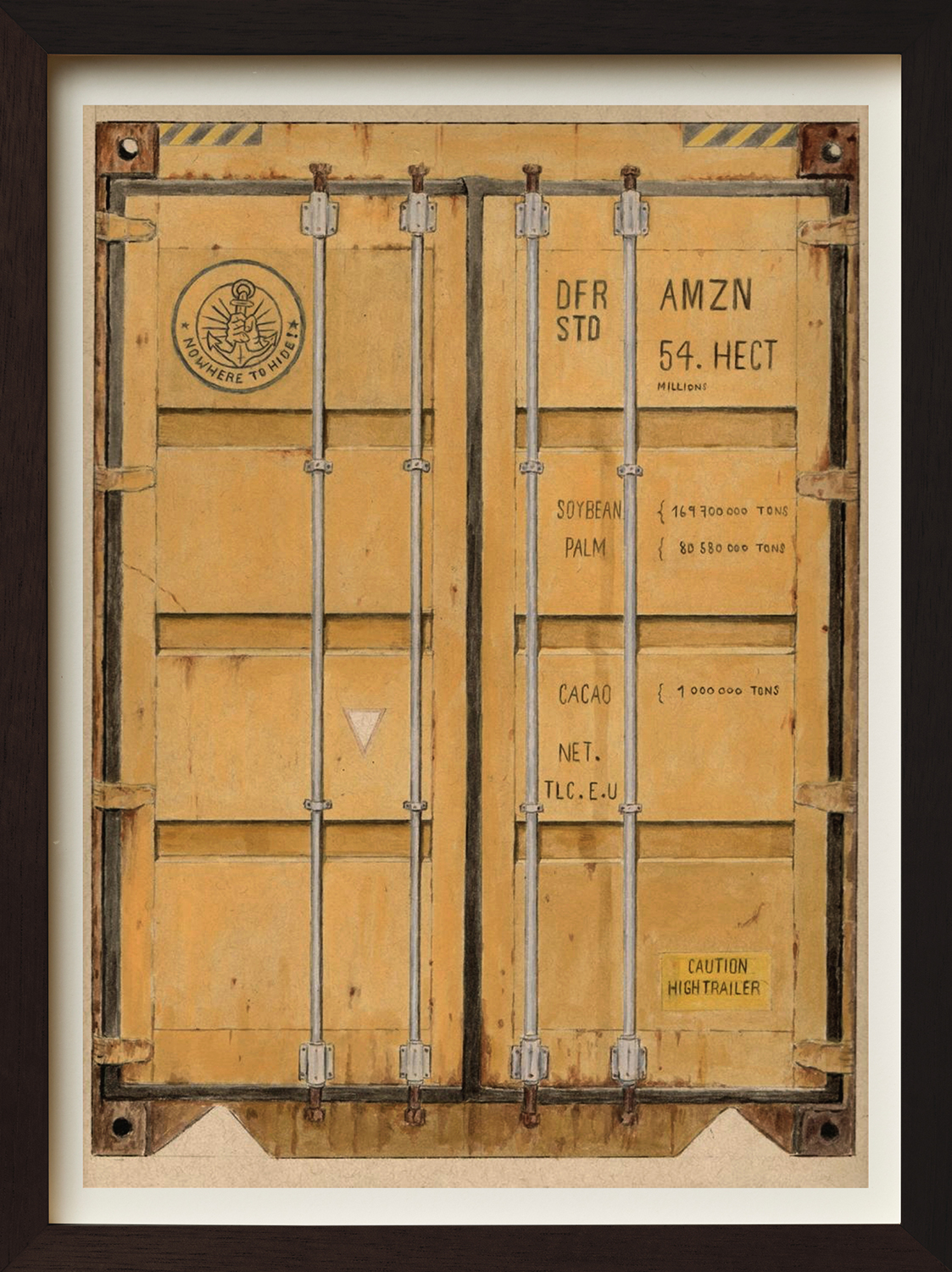
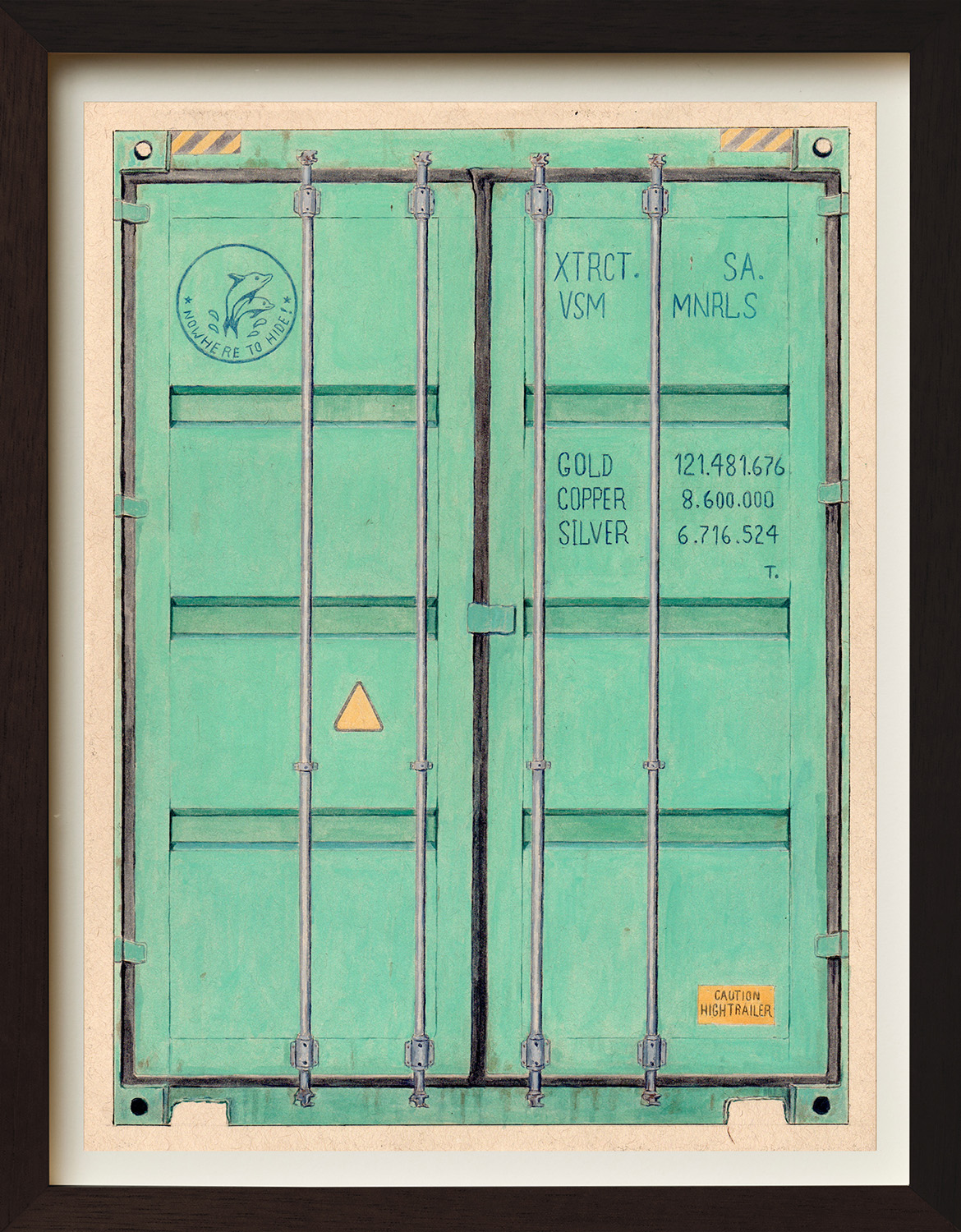
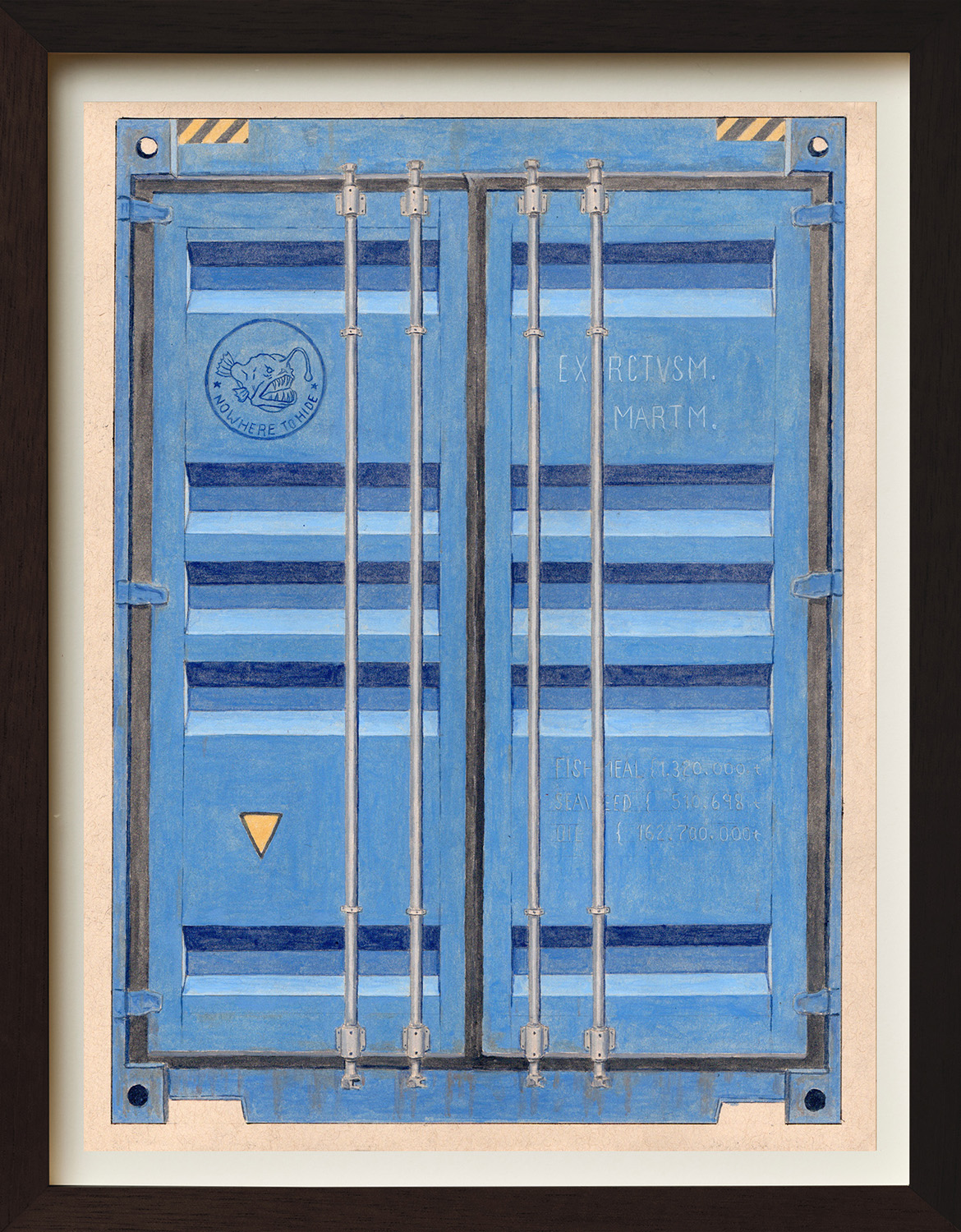
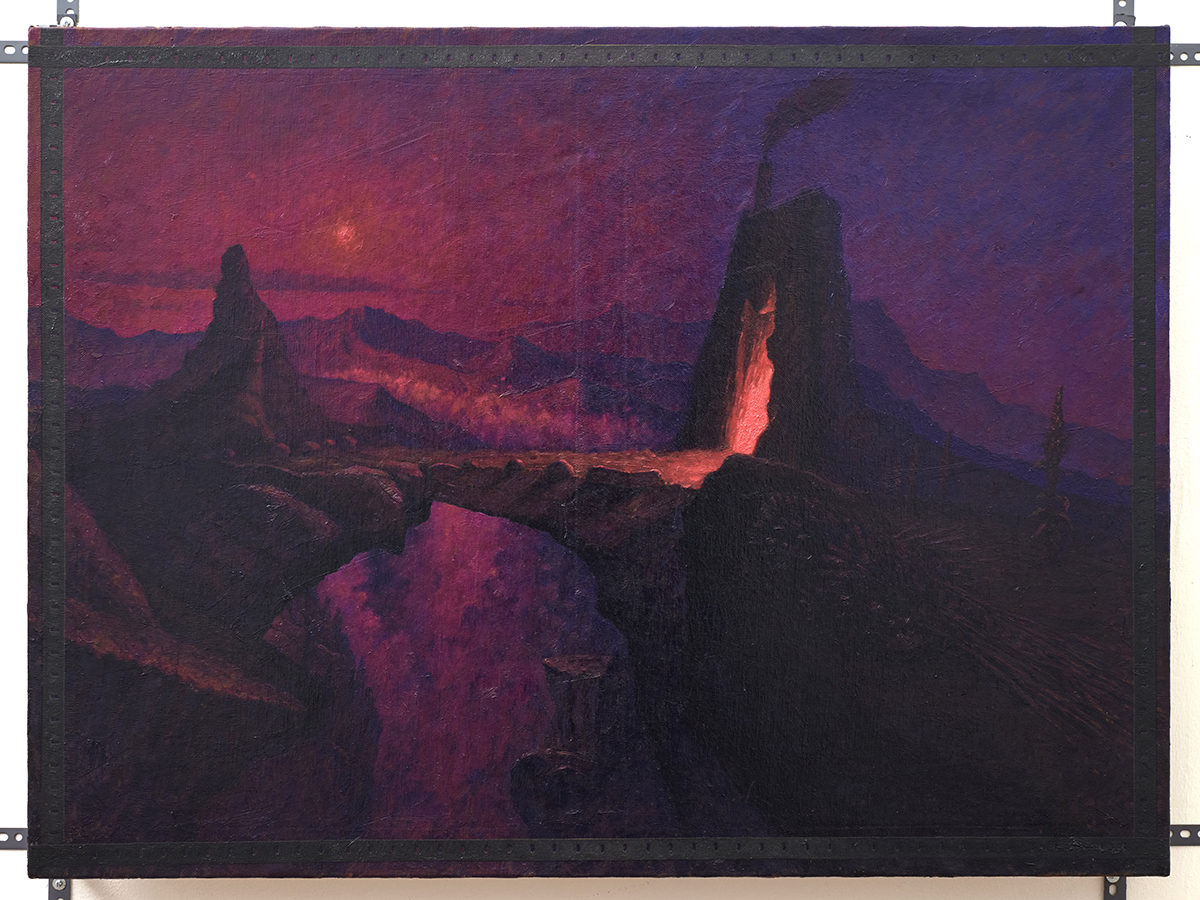
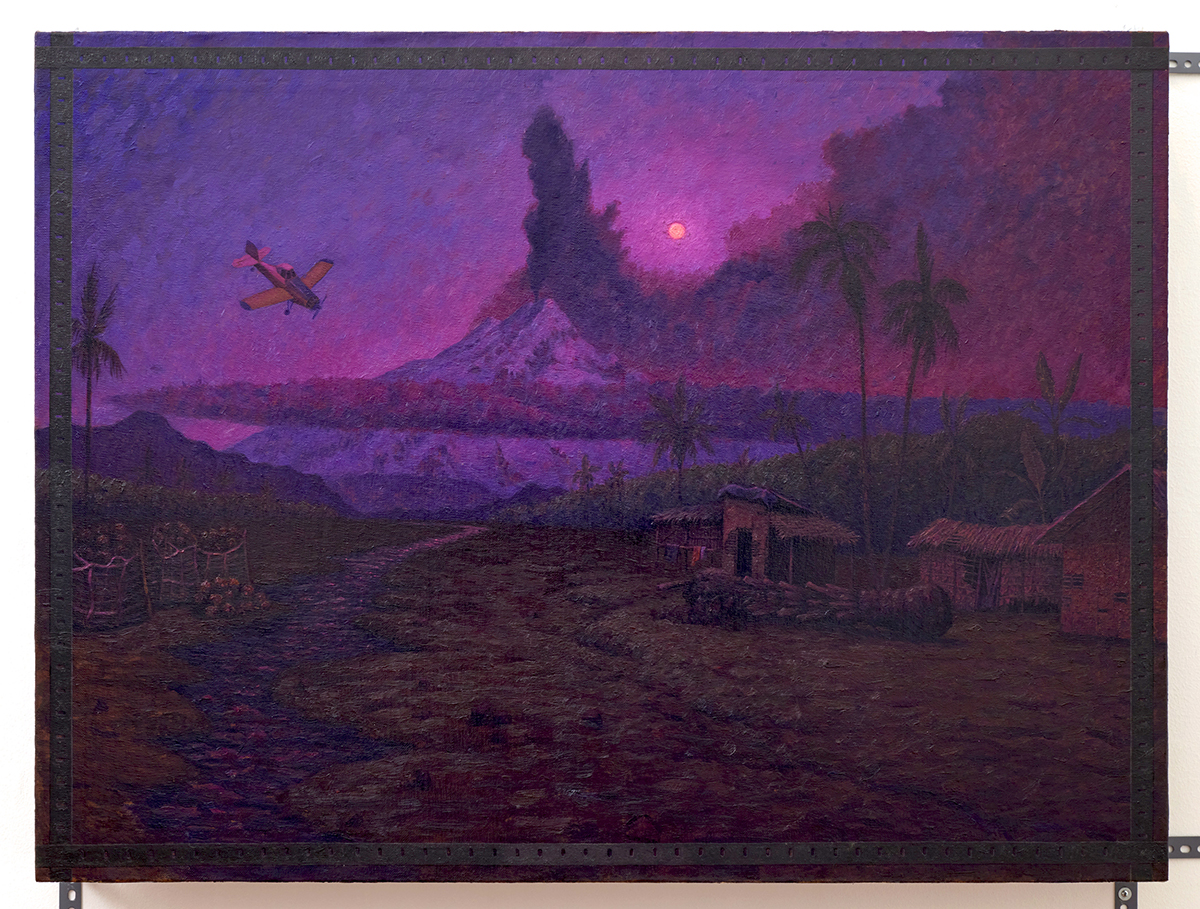
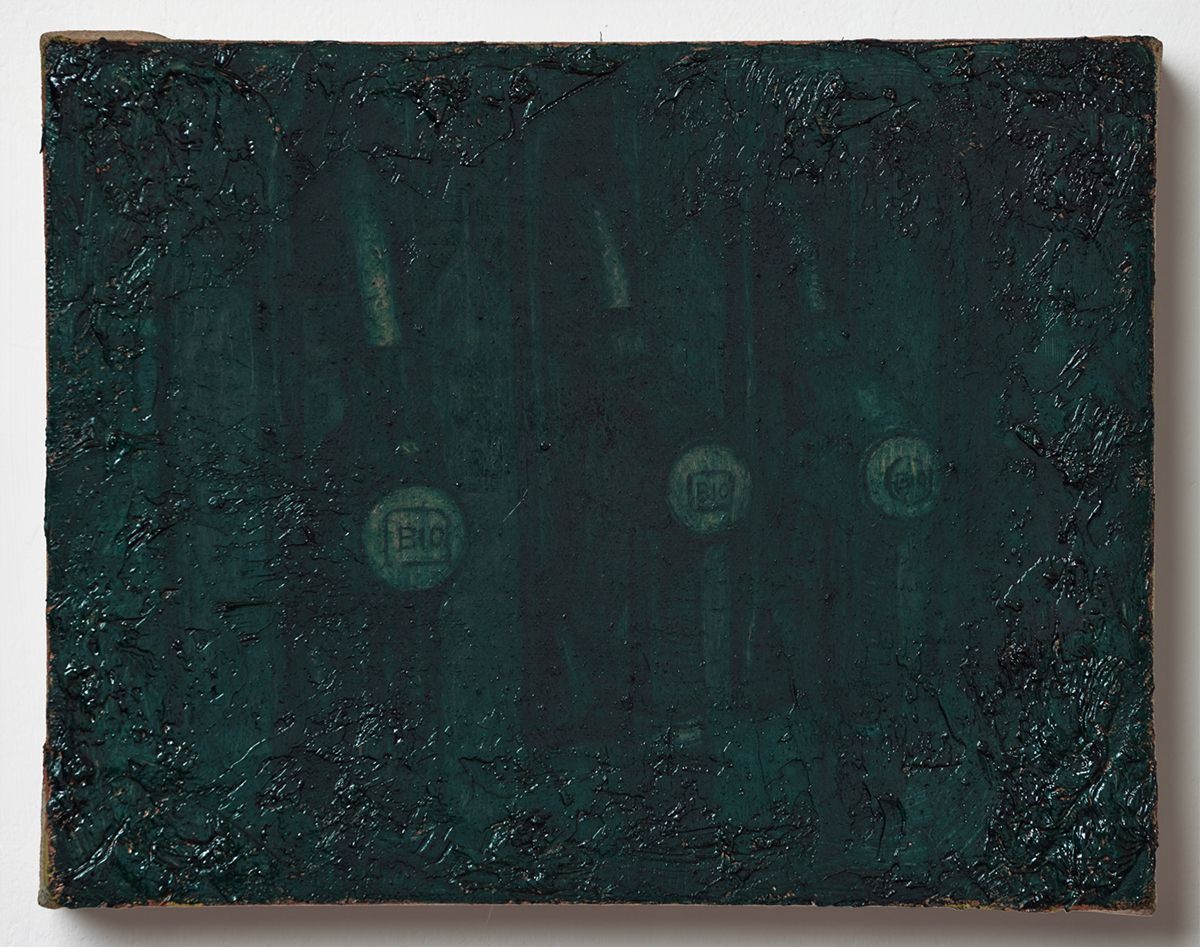
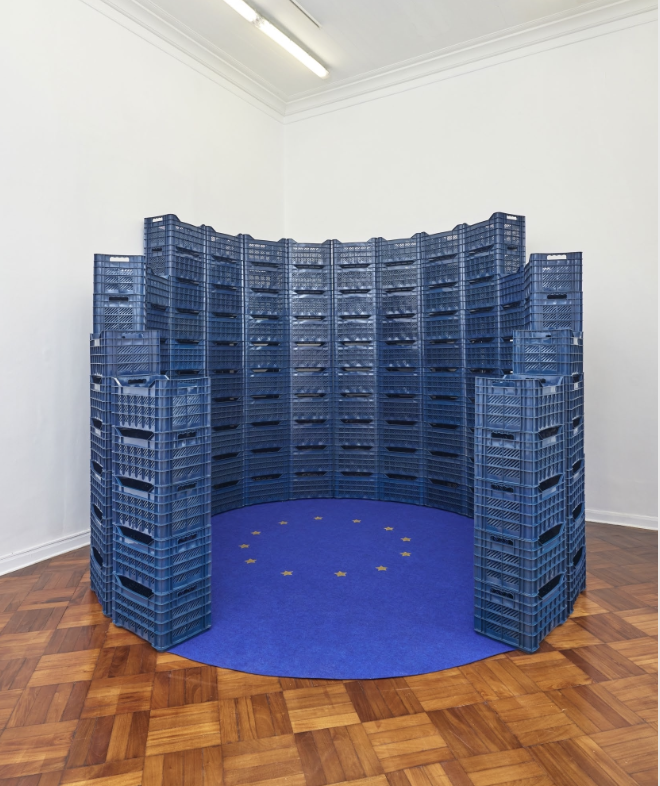
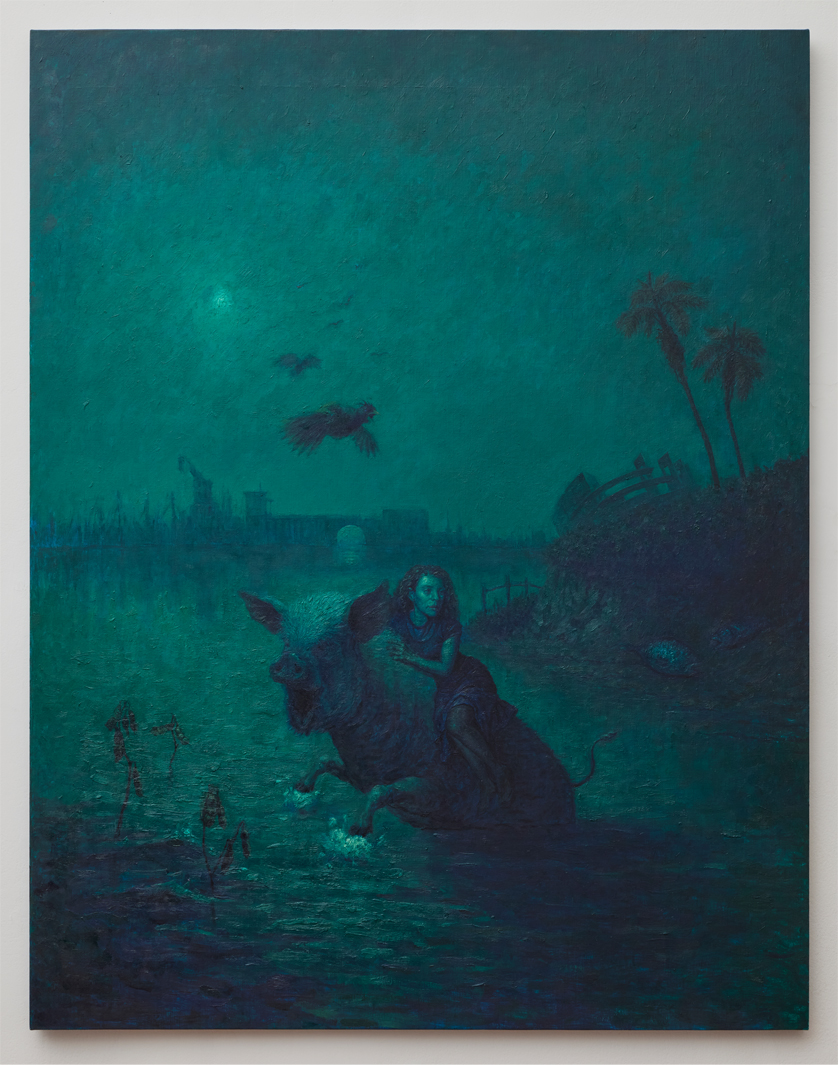
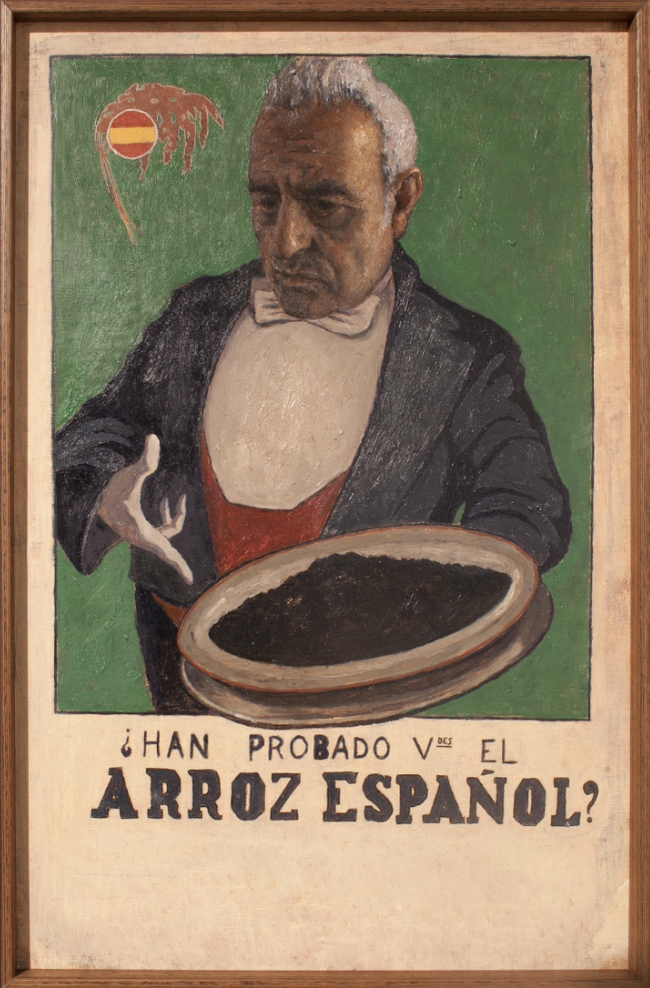
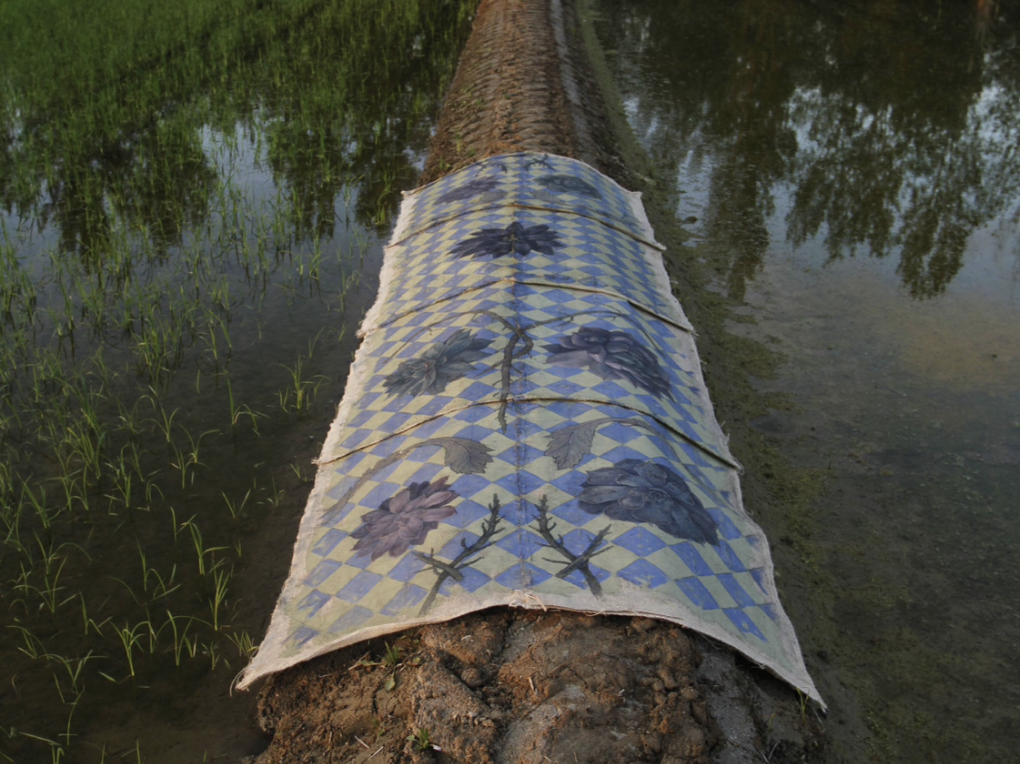
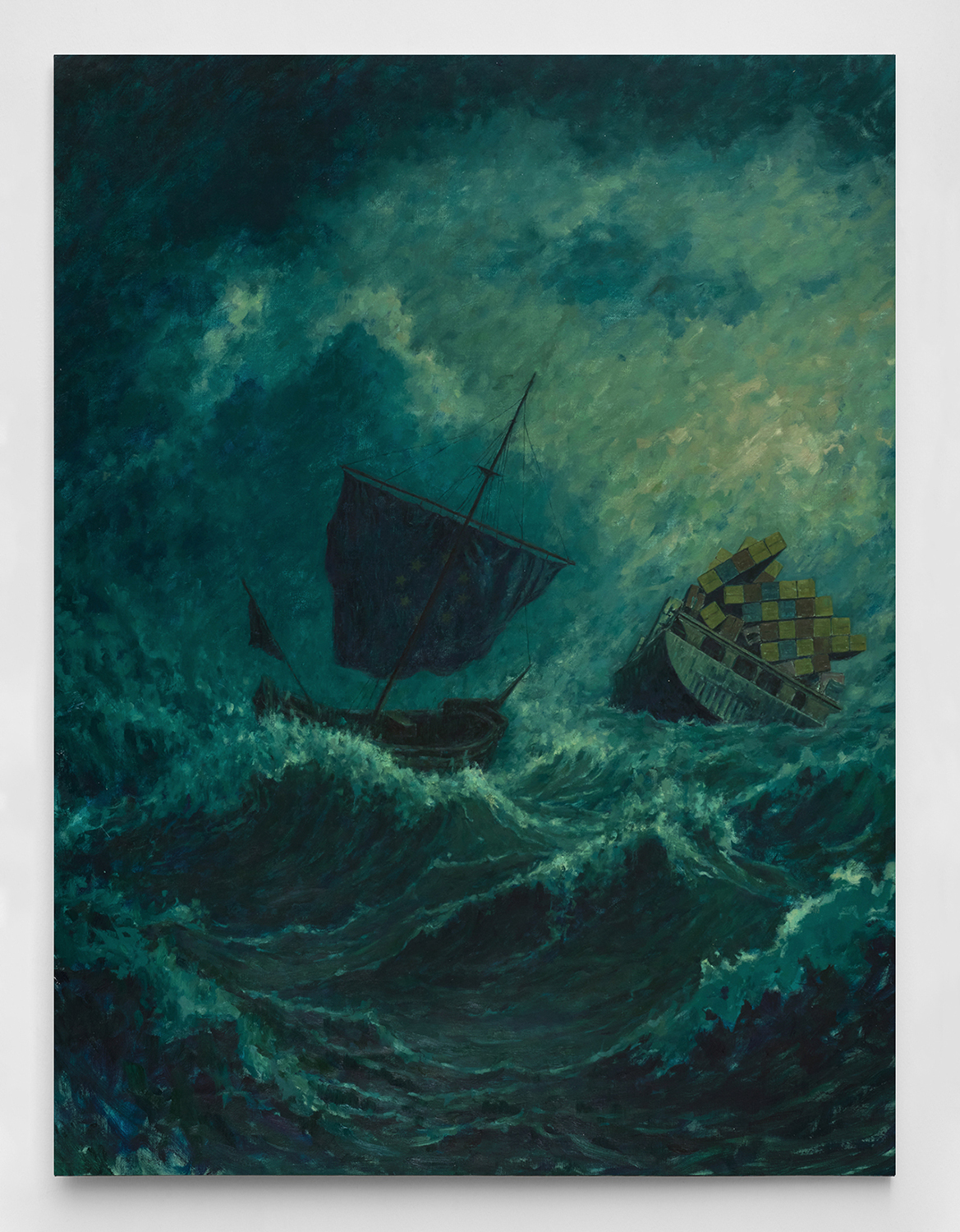
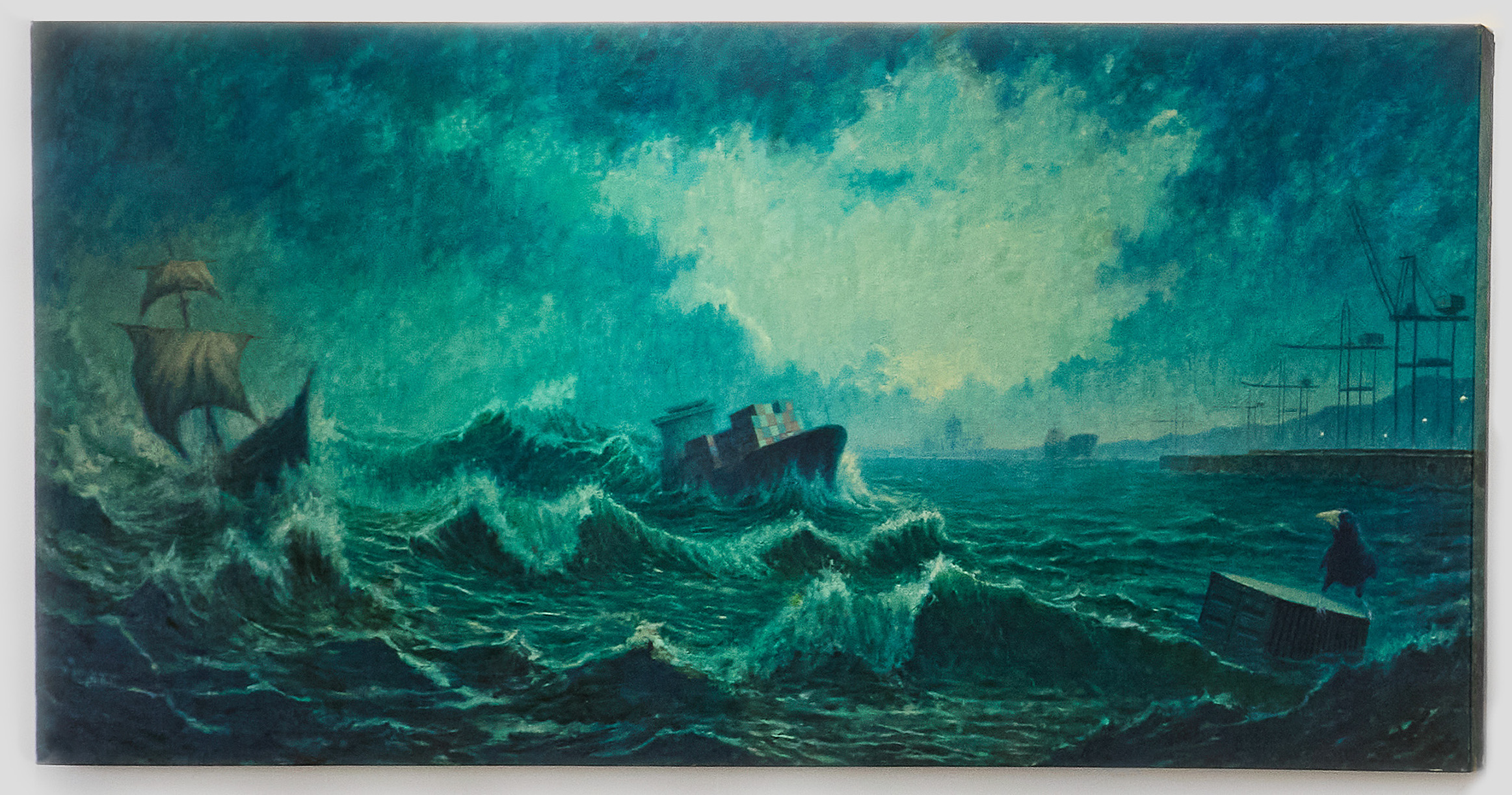
De La Barra investigates the potential of fiction and political imagination as regenerative forces capable of questioning and dismantling structures of power repeated throughout history. Through painting, video, and installation, he addresses the global implications of extractive models and the hierarchies that sustain dynamics of exploitation and exclusion, situating his production within a critical dialogue with the present.
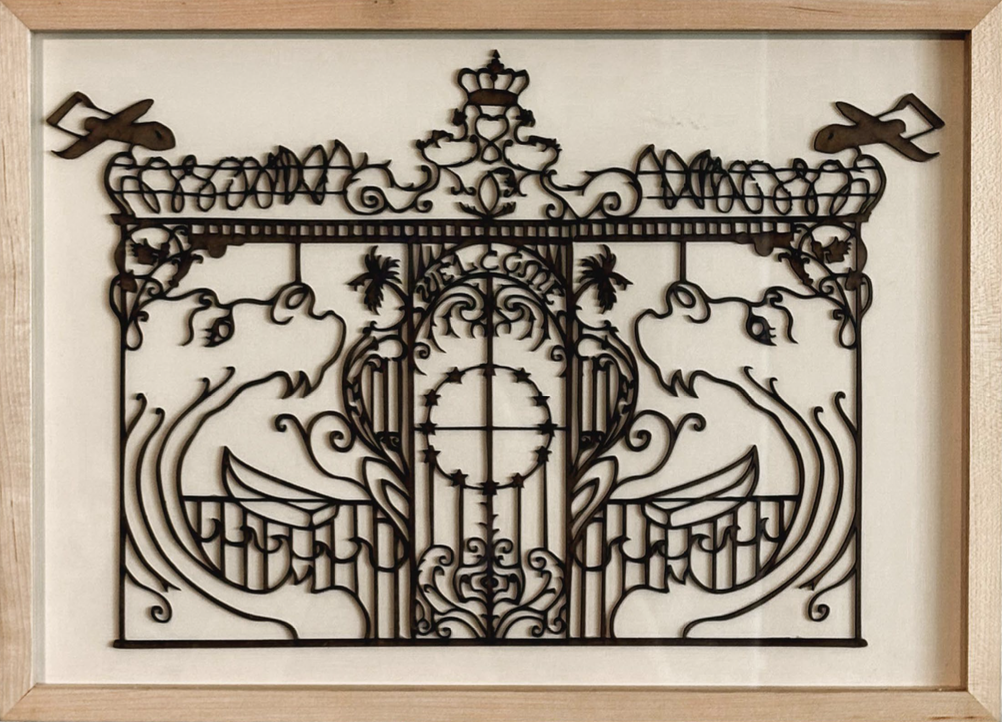
His works are based on the critical analysis of historical archives and extensive fieldwork, which reveal the ways in which territory has been represented, appropriated, and transformed according to political and economic interests. Within this framework, he develops paintings and installations in which images are reconfigured with the intention of making visible the tensions between memory, power, and geopolitics. In a context in which corporate greenwashing, the free market, and the global circulation of goods reproduce colonial logics, his work proposes a visual analysis of these structural violences.
Throughout his career, he has articulated projects centered on the relationship between aesthetics and power, exploring how spatial representations and their formal codes function as mechanisms of control and legitimization. His proposals establish a crossing between historical and contemporary languages, in which materiality and scale acquire a central role in the construction and transmission of meaning. In this sense, his works are configured as a space for the study and exhi- bition of the hierarchies, flows, and dispositifs that organize the political, economic, and symbolic dimensions of territories.
De La Barra investigates the potential of fiction and political imagination as regenerative forces capable of questioning and dismantling structures of power repeated throughout history. Through painting, video, and installation, he addresses the global implications of extractive models and the hierarchies that sustain dynamics of exploitation and exclusion, situating his production within a critical dialogue with the present.
His works are based on the critical analysis of historical archives and extensive fieldwork, which reveal the ways in which territory has been represented, appropriated, and transformed according to political and economic interests. Within this framework, he develops paintings and installations in which images are reconfigured with the intention of making visible the tensions between memory, power, and geopolitics. In a context in which corporate greenwashing, the free market, and the global circulation of goods reproduce colonial logics, his work proposes a visual analysis of these structural violences.
Throughout his career, he has articulated projects centered on the relationship between aesthetics and power, exploring how spatial representations and their formal codes function as mechanisms of control and legitimization. His proposals establish a crossing between historical and contemporary languages, in which materiality and scale acquire a central role in the construction and transmission of meaning. In this sense, his works are configured as a space for the study and exhi- bition of the hierarchies, flows, and dispositifs that organize the political, economic, and symbolic dimensions of territories.
Bio/CV
Daniel de la Barra
De la Barra has recently exhibited his work at various institutions, galleries, and art fairs such as Delfina Foundation, Frieze, Gathe- ring (London, UK); Art Basel (Hong Kong, Basel,Paris, Miami), Malta Biennale (Maritime Museum, Birgu), La Casa Encendi- da, Fondazione Sandretto Re Rebaudengo, Casa de Velázquez, ARCOmadrid (Madrid, ES); Mor Charpentier, La Maison de l’Amérique Latine (Paris, FR); Real Academia de España en Roma (Rome, IT); Arts Santa Mònica, Fundació Miralles, El Born Centre de Cultura i Memòria, Galeria Joan Prats, Fabra i Coats (Barcelona, ES); Galería Livia Benavides, Museo Central, ICPNA (Lima, PE); Zona Maco, Material Art Fair (Mexico City); Galería Patricia Ready (Santiago, CL); Museu d’Art Modern de Tarragona, Lo Pati (Tarragona, ES), among others.
He has also been an artist in residence at Delfina Foundation in London; Cité Internationale des Arts in Paris; Fundació Miró Mallorca/Casa de Velázquez and Matadero Madrid in Madrid; Real Academia de España en Roma in Rome, Italy; La Fabrique at the Alliance Française in Lima; Homesession and Piramidón Centre d’Art Contemporani in Barcelona.
Among his grants and awards are: the Jan Van Eyck Academie Fellowship , Art Basel x Airbnb travel Grant; In Situ Prize from the Daniel and Nina Carasso Foundation; Generación 2024 at La Casa Encendida in Madrid; the Environmental Project Grant from Matadero Madrid; the Premio de Videoarte Secuencias VEGAP; Fundació Miró Mallorca; Real Academia de Espa- ña en Roma in 2021; the Research Grant from the Generalitat de Catalunya in 2023; the Barcelona Crea Award in 2023; the Artus–Delfina Foundation Award in 2022; the Collezione Taurisano Art Nou Award in 2022; the Premi d’Art Jove in 2019; and The Nerdrum School, 2018.
He has also been an artist in residence at Delfina Foundation in London; Cité Internationale des Arts in Paris; Fundació Miró Mallorca/Casa de Velázquez and Matadero Madrid in Madrid; Real Academia de España en Roma in Rome, Italy; La Fabrique at the Alliance Française in Lima; Homesession and Piramidón Centre d’Art Contemporani in Barcelona.
Among his grants and awards are: the Jan Van Eyck Academie Fellowship , Art Basel x Airbnb travel Grant; In Situ Prize from the Daniel and Nina Carasso Foundation; Generación 2024 at La Casa Encendida in Madrid; the Environmental Project Grant from Matadero Madrid; the Premio de Videoarte Secuencias VEGAP; Fundació Miró Mallorca; Real Academia de Espa- ña en Roma in 2021; the Research Grant from the Generalitat de Catalunya in 2023; the Barcelona Crea Award in 2023; the Artus–Delfina Foundation Award in 2022; the Collezione Taurisano Art Nou Award in 2022; the Premi d’Art Jove in 2019; and The Nerdrum School, 2018.
Available works
Daniel de la Barra
Daniel de la Barra (b. Lima, Peru) lives and works between Lima and Barcelona.
De La Barra investigates the potential of fiction and political imagination as regenerative forces capable of questioning and dismantling structures of power repeated throughout history. Through painting, video, and installation, he addresses the global implications of extractive models and the hierarchies that sustain dynamics of exploitation and exclusion, situating his production within a critical dialogue with the present.
His works are based on the critical analysis of historical archives and extensive fieldwork, which reveal the ways in which territory has been represented, appropriated, and transformed according to political and economic interests. Within this framework, he develops paintings and installations in which images are reconfigured with the intention of making visible the tensions between memory, power, and geopolitics. In a context in which corporate greenwashing, the free market, and the global circulation of goods reproduce colonial logics, his work proposes a visual analysis of these structural violences.
Throughout his career, he has articulated projects centered on the relationship between aesthetics and power, exploring how spatial representations and their formal codes function as mechanisms of control and legitimization. His proposals establish a crossing between historical and contemporary languages, in which materiality and scale acquire a central role in the construction and transmission of meaning. In this sense, his works are configured as a space for the study and exhi- bition of the hierarchies, flows, and dispositifs that organize the political, economic, and symbolic dimensions of territories.
De La Barra investigates the potential of fiction and political imagination as regenerative forces capable of questioning and dismantling structures of power repeated throughout history. Through painting, video, and installation, he addresses the global implications of extractive models and the hierarchies that sustain dynamics of exploitation and exclusion, situating his production within a critical dialogue with the present.
His works are based on the critical analysis of historical archives and extensive fieldwork, which reveal the ways in which territory has been represented, appropriated, and transformed according to political and economic interests. Within this framework, he develops paintings and installations in which images are reconfigured with the intention of making visible the tensions between memory, power, and geopolitics. In a context in which corporate greenwashing, the free market, and the global circulation of goods reproduce colonial logics, his work proposes a visual analysis of these structural violences.
Throughout his career, he has articulated projects centered on the relationship between aesthetics and power, exploring how spatial representations and their formal codes function as mechanisms of control and legitimization. His proposals establish a crossing between historical and contemporary languages, in which materiality and scale acquire a central role in the construction and transmission of meaning. In this sense, his works are configured as a space for the study and exhi- bition of the hierarchies, flows, and dispositifs that organize the political, economic, and symbolic dimensions of territories.
Daniel de la Barra
De la Barra has recently exhibited his work at various institutions, galleries, and art fairs such as Delfina Foundation, Frieze, Gathe- ring (London, UK); Art Basel (Hong Kong, Basel,Paris, Miami), Malta Biennale (Maritime Museum, Birgu), La Casa Encendi- da, Fondazione Sandretto Re Rebaudengo, Casa de Velázquez, ARCOmadrid (Madrid, ES); Mor Charpentier, La Maison de l’Amérique Latine (Paris, FR); Real Academia de España en Roma (Rome, IT); Arts Santa Mònica, Fundació Miralles, El Born Centre de Cultura i Memòria, Galeria Joan Prats, Fabra i Coats (Barcelona, ES); Galería Livia Benavides, Museo Central, ICPNA (Lima, PE); Zona Maco, Material Art Fair (Mexico City); Galería Patricia Ready (Santiago, CL); Museu d’Art Modern de Tarragona, Lo Pati (Tarragona, ES), among others.
He has also been an artist in residence at Delfina Foundation in London; Cité Internationale des Arts in Paris; Fundació Miró Mallorca/Casa de Velázquez and Matadero Madrid in Madrid; Real Academia de España en Roma in Rome, Italy; La Fabrique at the Alliance Française in Lima; Homesession and Piramidón Centre d’Art Contemporani in Barcelona.
Among his grants and awards are: the Jan Van Eyck Academie Fellowship , Art Basel x Airbnb travel Grant; In Situ Prize from the Daniel and Nina Carasso Foundation; Generación 2024 at La Casa Encendida in Madrid; the Environmental Project Grant from Matadero Madrid; the Premio de Videoarte Secuencias VEGAP; Fundació Miró Mallorca; Real Academia de Espa- ña en Roma in 2021; the Research Grant from the Generalitat de Catalunya in 2023; the Barcelona Crea Award in 2023; the Artus–Delfina Foundation Award in 2022; the Collezione Taurisano Art Nou Award in 2022; the Premi d’Art Jove in 2019; and The Nerdrum School, 2018.
He has also been an artist in residence at Delfina Foundation in London; Cité Internationale des Arts in Paris; Fundació Miró Mallorca/Casa de Velázquez and Matadero Madrid in Madrid; Real Academia de España en Roma in Rome, Italy; La Fabrique at the Alliance Française in Lima; Homesession and Piramidón Centre d’Art Contemporani in Barcelona.
Among his grants and awards are: the Jan Van Eyck Academie Fellowship , Art Basel x Airbnb travel Grant; In Situ Prize from the Daniel and Nina Carasso Foundation; Generación 2024 at La Casa Encendida in Madrid; the Environmental Project Grant from Matadero Madrid; the Premio de Videoarte Secuencias VEGAP; Fundació Miró Mallorca; Real Academia de Espa- ña en Roma in 2021; the Research Grant from the Generalitat de Catalunya in 2023; the Barcelona Crea Award in 2023; the Artus–Delfina Foundation Award in 2022; the Collezione Taurisano Art Nou Award in 2022; the Premi d’Art Jove in 2019; and The Nerdrum School, 2018.