Darío Escobar
Bio/CV
Available works
Darío Escobar
Darío Escobar
Darío Escobar (b. 1971, Guatemala City, Guatemala) lives and works between Mexico City and Guatemala City.
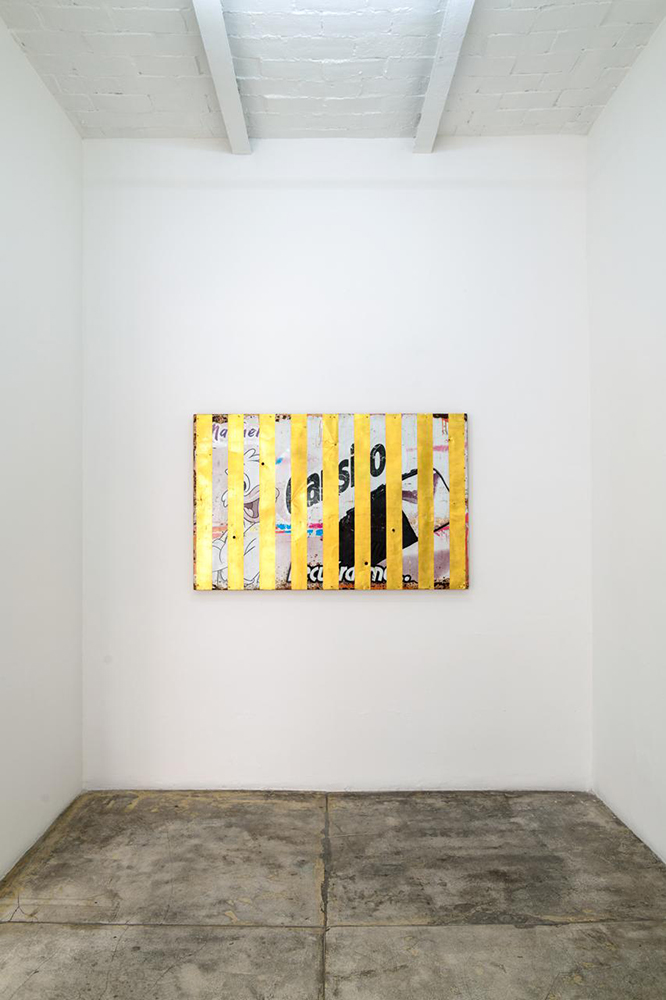
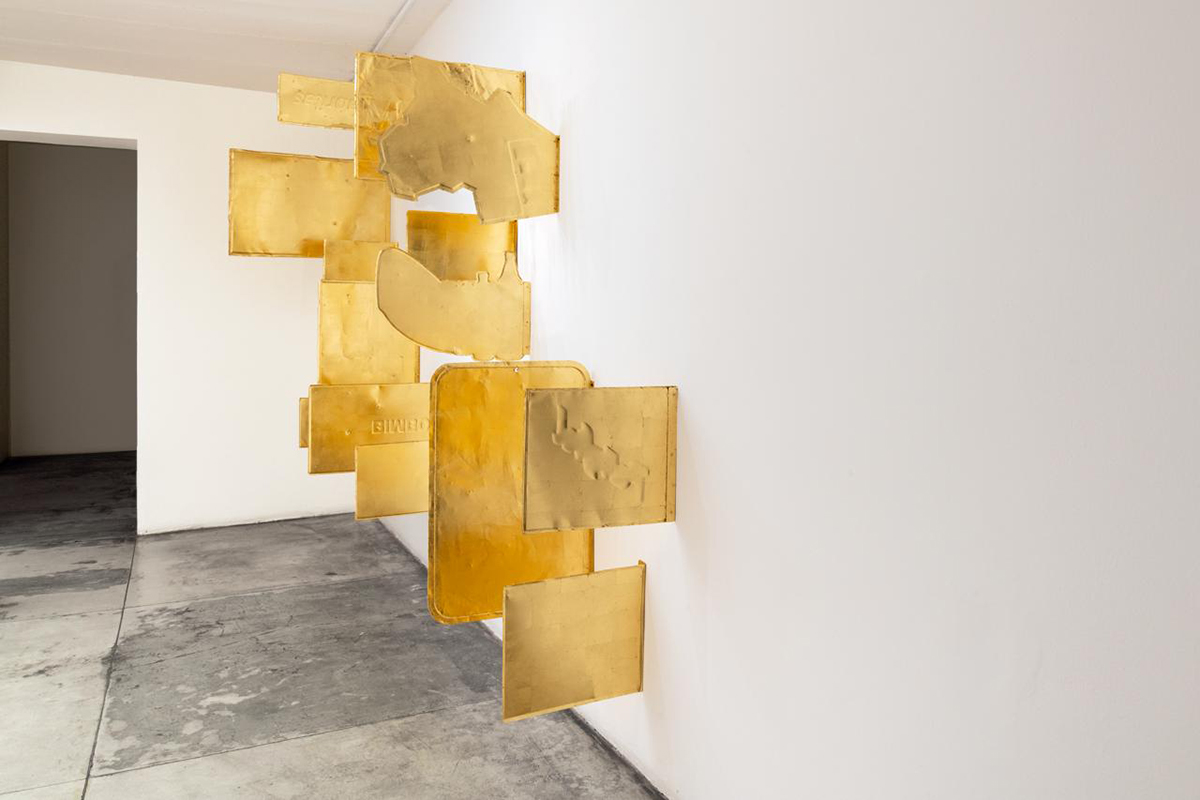
His work is characterized by the formal and conceptual investigation of objects and their insertion within the visual arts and the history of art itself. Escobar’s work has continually challenged the viewer to reconsider the most central relationships of contemporary life: the relationship we have with the gaze of masses, the elaboration of new identities based on consumption, and the questioning of the popular and the cultured. His work belongs to a territory of objects that invade our everyday life and reflect on our own space within the social, political, and economic systems that sustain our existence.
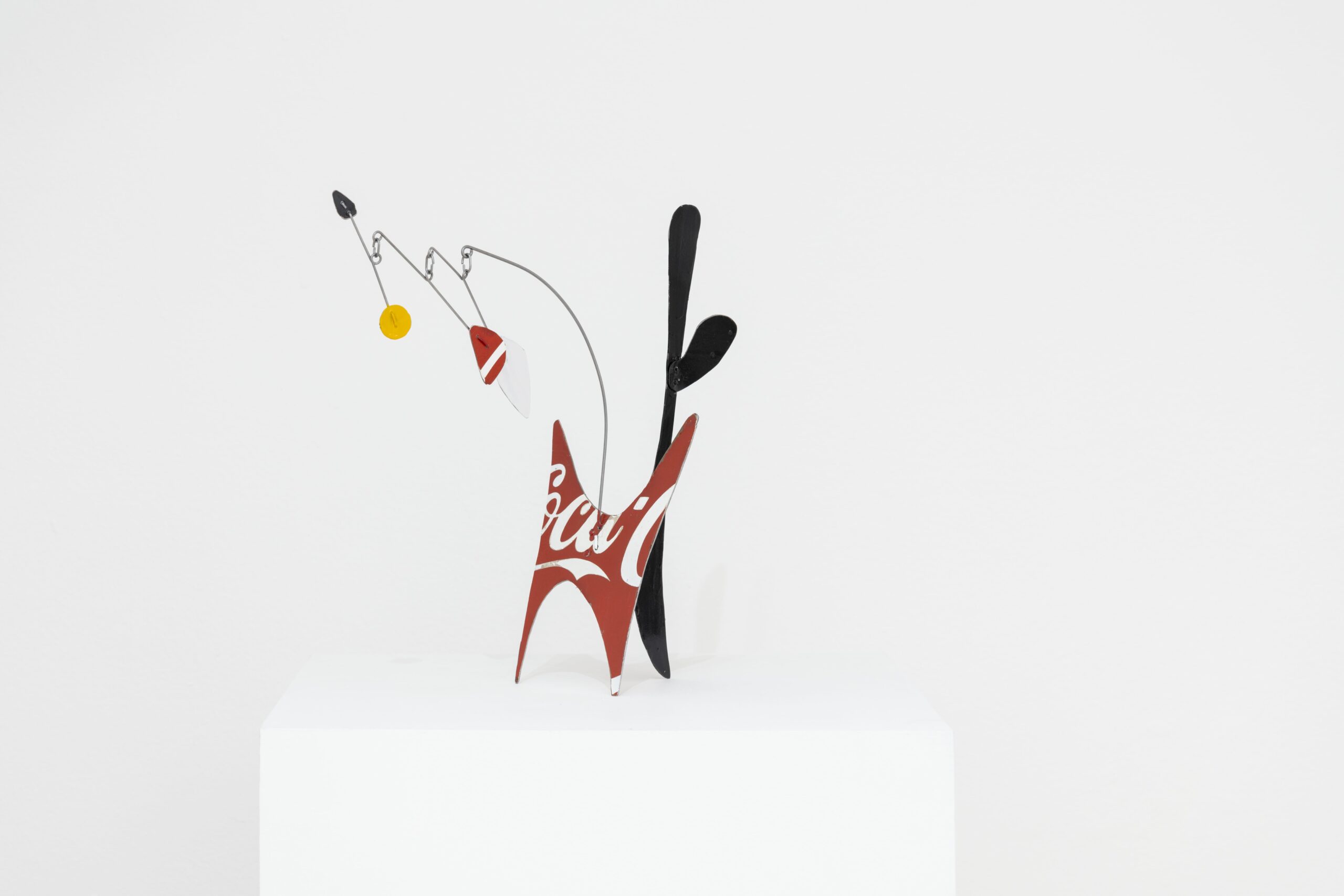
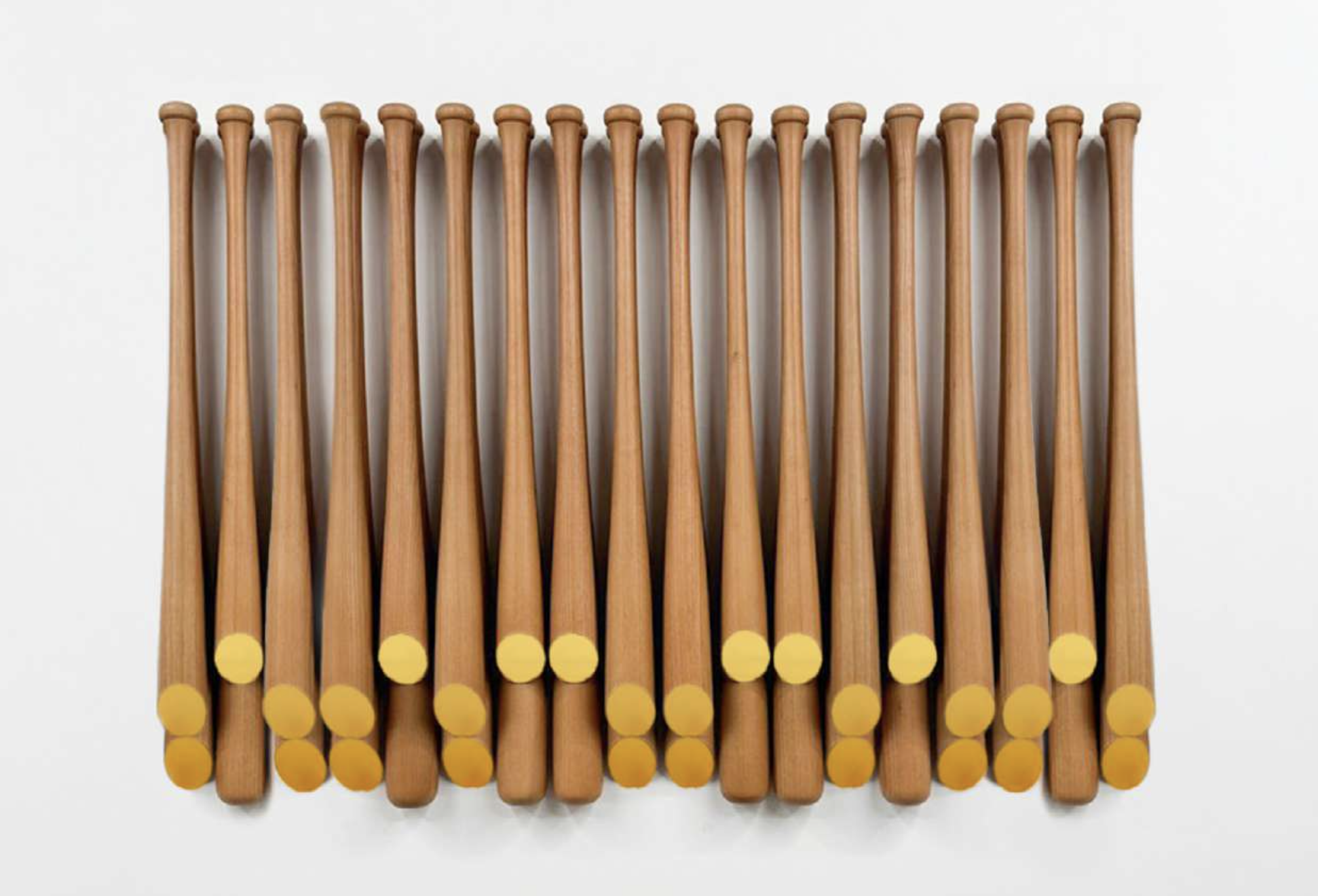
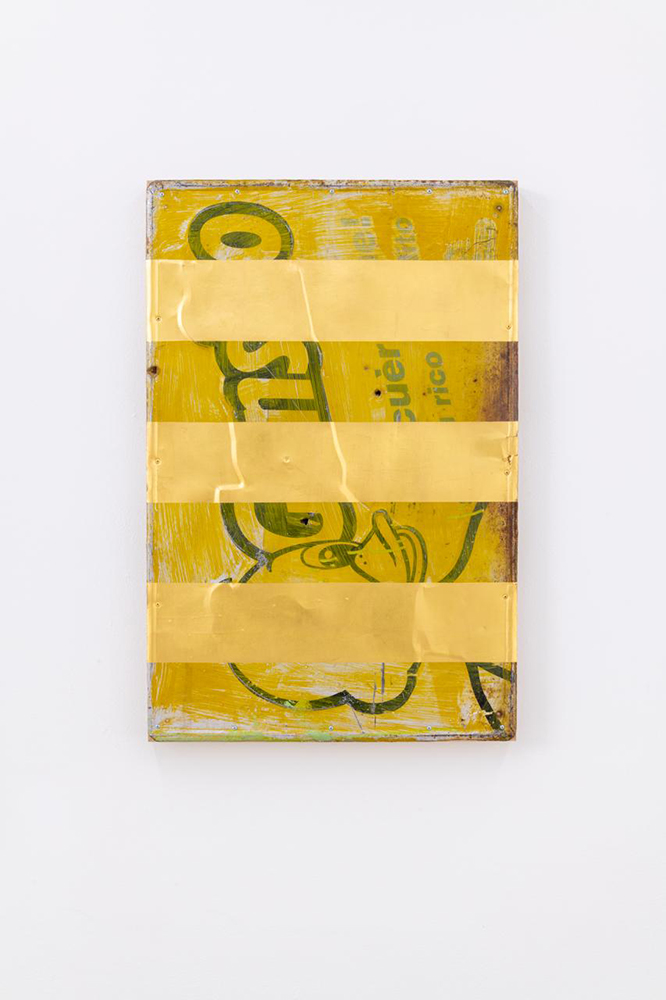
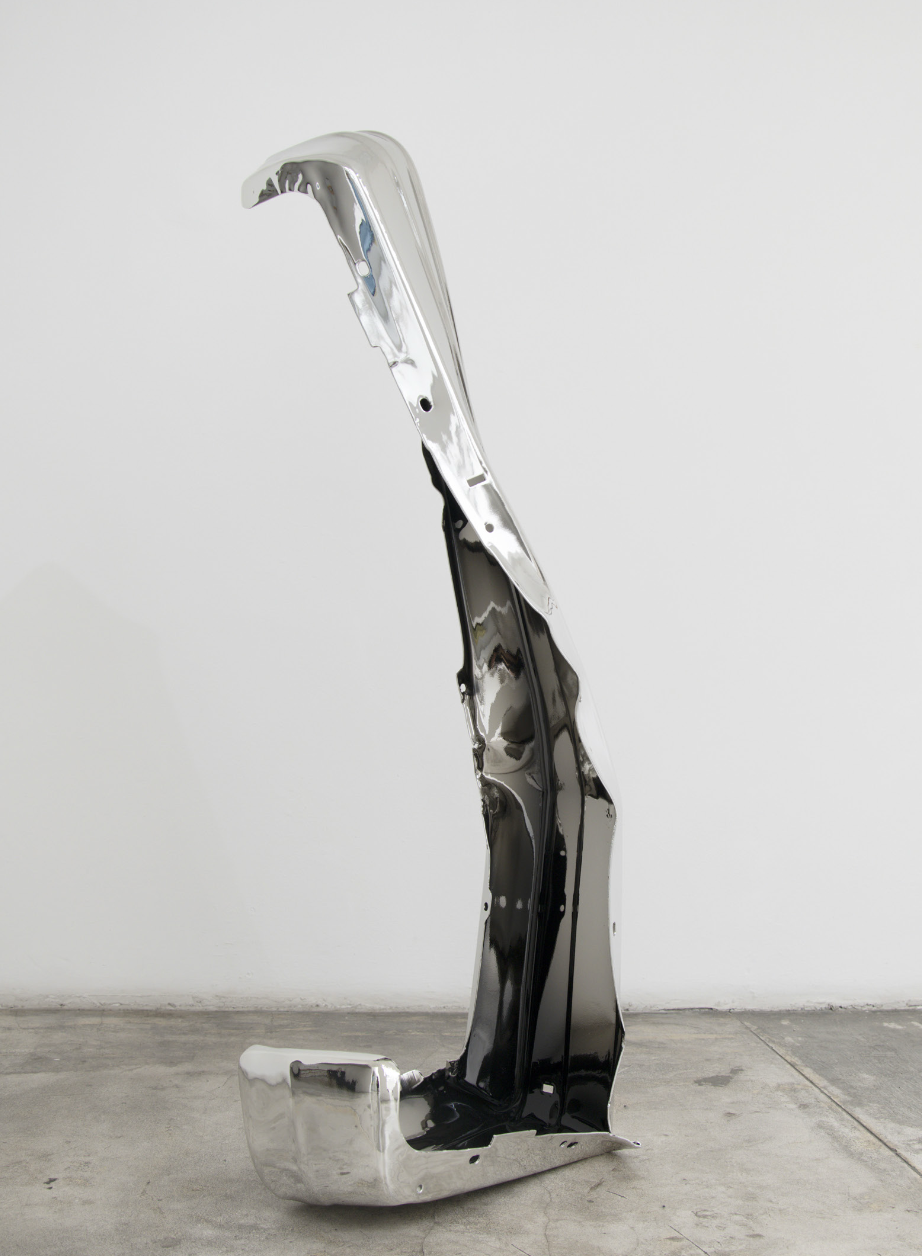
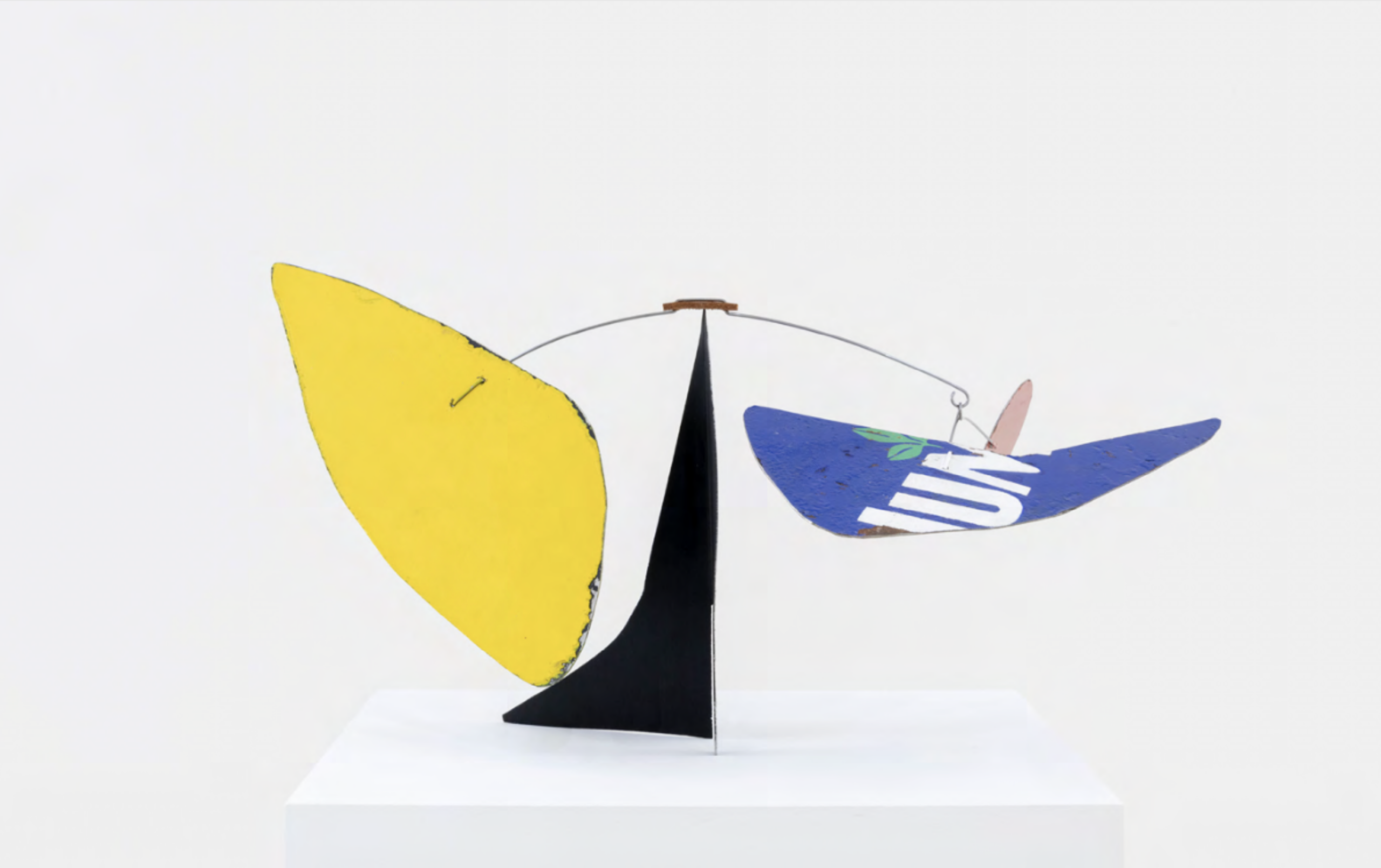
Since the late 1990s, he has mobilized a wide range of industrial and everyday consumer products — McDonald’s cups, cereal boxes, vulcanized tires, car bumpers, and sports equipment of various kinds — in order to construct an ongoing dialogue with the reality of global consumerism. That dialogue has invariably also incorporated an extensive conversation with the making of objects through the ages.
His work is characterized by the formal and conceptual investigation of objects and their insertion within the visual arts and the history of art itself. Escobar’s work has continually challenged the viewer to reconsider the most central relationships of contemporary life: the relationship we have with the gaze of masses, the elaboration of new identities based on consumption, and the questioning of the popular and the cultured. His work belongs to a territory of objects that invade our everyday life and reflect on our own space within the social, political, and economic systems that sustain our existence.
Since the late 1990s, he has mobilized a wide range of industrial and everyday consumer products — McDonald’s cups, cereal boxes, vulcanized tires, car bumpers, and sports equipment of various kinds — in order to construct an ongoing dialogue with the reality of global consumerism. That dialogue has invariably also incorporated an extensive conversation with the making of objects through the ages.
Bio/CV
Darío Escobar
His work is currently on view at the Museum of Fine Arts Houston (MFAH), as part of the permanent collection. His recent exhibitions include “Fútbol y Arte: Esa misma emoción”, Museo Jumex, Mexico City (2026); Arlington Museum of Art, Arlington, Texas (2026); and a presentation with Colección FEMSA in collaboration with the School of Architecture, Art and Design (EAAD) of Tecnológico de Monterrey (2026).
Escobar’s work is held in public and private collections including Museum of Contemporary Art (MCA), Chicago; Museum of Contemporary Art (MOCA), Los Angeles; Los Angeles County Museum of Art (LACMA); Museum of Fine Arts Houston (MFAH); Centre Pompidou Foundation, Paris; Jumex Museum, Mexico City; Museo Nacional de Arte (MUNAL), Mexico City; Harvard Art Museums, Cambridge; Taguchi Art Collection, Tokyo; The Morgan Library & Museum, New York; Blanton Museum of Art, Austin; Detroit Institute of Arts (DIA); Nasher Museum of Art, Duke University, North Carolina; Phoenix Art Museum; and Thyssen-Bornemisza Art Contemporary, Vienna; among others.
Available works
Darío Escobar
Darío Escobar (b. 1971, Guatemala City, Guatemala) lives and works between Mexico City and Guatemala City.
His work is characterized by the formal and conceptual investigation of objects and their insertion within the visual arts and the history of art itself. Escobar’s work has continually challenged the viewer to reconsider the most central relationships of contemporary life: the relationship we have with the gaze of masses, the elaboration of new identities based on consumption, and the questioning of the popular and the cultured. His work belongs to a territory of objects that invade our everyday life and reflect on our own space within the social, political, and economic systems that sustain our existence.
Since the late 1990s, he has mobilized a wide range of industrial and everyday consumer products — McDonald’s cups, cereal boxes, vulcanized tires, car bumpers, and sports equipment of various kinds — in order to construct an ongoing dialogue with the reality of global consumerism. That dialogue has invariably also incorporated an extensive conversation with the making of objects through the ages.
His work is characterized by the formal and conceptual investigation of objects and their insertion within the visual arts and the history of art itself. Escobar’s work has continually challenged the viewer to reconsider the most central relationships of contemporary life: the relationship we have with the gaze of masses, the elaboration of new identities based on consumption, and the questioning of the popular and the cultured. His work belongs to a territory of objects that invade our everyday life and reflect on our own space within the social, political, and economic systems that sustain our existence.
Since the late 1990s, he has mobilized a wide range of industrial and everyday consumer products — McDonald’s cups, cereal boxes, vulcanized tires, car bumpers, and sports equipment of various kinds — in order to construct an ongoing dialogue with the reality of global consumerism. That dialogue has invariably also incorporated an extensive conversation with the making of objects through the ages.
Darío Escobar
His work is currently on view at the Museum of Fine Arts Houston (MFAH), as part of the permanent collection. His recent exhibitions include “Fútbol y Arte: Esa misma emoción”, Museo Jumex, Mexico City (2026); Arlington Museum of Art, Arlington, Texas (2026); and a presentation with Colección FEMSA in collaboration with the School of Architecture, Art and Design (EAAD) of Tecnológico de Monterrey (2026).
Escobar’s work is held in public and private collections including Museum of Contemporary Art (MCA), Chicago; Museum of Contemporary Art (MOCA), Los Angeles; Los Angeles County Museum of Art (LACMA); Museum of Fine Arts Houston (MFAH); Centre Pompidou Foundation, Paris; Jumex Museum, Mexico City; Museo Nacional de Arte (MUNAL), Mexico City; Harvard Art Museums, Cambridge; Taguchi Art Collection, Tokyo; The Morgan Library & Museum, New York; Blanton Museum of Art, Austin; Detroit Institute of Arts (DIA); Nasher Museum of Art, Duke University, North Carolina; Phoenix Art Museum; and Thyssen-Bornemisza Art Contemporary, Vienna; among others.